


Types Of Filtering Concepts in Firewall Security

A firewall is a network security device or software that acts as a barrier between an internal network and external networks, such as the internet. It monitors and controls incoming and outgoing network traffic based on predetermined security rules. The primary purpose of a firewall security is to protect a network or computer system from unauthorized access and potential threats, such as malware, hackers, or malicious activities. Firewalls can be implemented in various forms, including hardware devices, software applications, or a combination of both. They analyze network traffic packets, inspecting the source and destination addresses, ports, protocols, and other attributes to determine whether to allow or block the traffic based on the configured rules. Firewalls can be configured to filter and block specific types of network traffic, such as certain ports or protocols, and can also provide additional security features such as intrusion detection and prevention, virtual private network (VPN) support, and logging capabilities to track and analyze network activity. By enforcing security policies and controlling network traffic, firewalls help to reduce the risk of unauthorized access, data breaches, and other cyber threats, thereby enhancing the overall security of a network or computer system. Packet filtering is a fundamental concept in firewall security. It involves examining individual network packets as they pass through a firewall and making access control decisions based on predetermined rules or policies. Here’s how packet filtering works: Packet Inspection: When a network packet arrives at the firewall, the firewall inspects the header information of the packet. This includes details such as source and destination IP addresses, port numbers, and protocol types (such as TCP or UDP). Rule Evaluation: The firewall compares the packet’s header information against a set of predefined rules or policies. These rules specify what types of traffic are allowed or blocked based on specific criteria. Access Control Decision: Based on the evaluation of the rules, the firewall makes an access control decision for the packet. The decision can be one of the following: Allow: If the packet matches an allowed rule, the firewall permits the packet to pass through and reach its destination. Block: If the packet matches a blocked rule, the firewall drops or rejects the packet, preventing it from reaching its intended destination. Default Behavior: If a packet does not match any of the defined rules, the firewall applies a default behavior. This can be either allowing or blocking the packet, depending on the firewall’s configuration. Commonly, firewalls are set to block packets that do not have a matching rule. Packet filtering can be based on various criteria, such as source and destination IP addresses, port numbers, and protocol types. For example, a firewall might have rules that allow incoming web traffic (HTTP) on port 80, but block incoming email traffic (SMTP) on port 25. Packet filtering is an effective mechanism for enforcing access control and filtering network traffic at the network layer (Layer 3) of the TCP/IP protocol stack. It helps protect against unauthorized access attempts, malicious traffic, and certain types of network-based attacks. However, it is important to properly configure and maintain packet filtering rules to avoid unintended security gaps or false positives/negatives. Apart from packet filtering, firewalls employ additional filtering mechanisms to enhance network security. Some of these mechanisms include: Proxy Filtering: Firewalls can act as proxies for specific protocols, such as HTTP or FTP. Instead of directly forwarding packets, the firewall establishes a connection with the remote server on behalf of the client. This allows the firewall to inspect and filter the content of the communication at the application layer. URL Filtering: Firewalls can implement URL filtering to control access to specific websites or categories of websites based on their URLs or domain names. This firewall security filtering mechanism helps enforce acceptable use policies, restrict access to malicious or inappropriate content, and prevent employees from visiting unauthorized websites. Content Filtering: Content filtering allows firewalls to inspect and analyze the actual content of network traffic, including web pages, email attachments, or file transfers. By using content filtering, firewalls can block or allow traffic based on predefined rules related to keywords, file types, or content categories. Malware Filtering: Firewalls can incorporate malware filtering capabilities to identify and block network traffic associated with known malware, viruses, or other malicious activities. This filtering mechanism helps protect against malware downloads or communication with malicious command-and-control servers. Deep Packet Inspection (DPI): Deep packet inspection goes beyond traditional packet filtering by examining the payload or contents of network packets at a granular level. It allows firewalls to inspect and analyze the complete packet, including the application-layer data, to detect specific patterns or behaviors associated with attacks or policy violations. Application Control: Firewalls can implement application control policies to regulate the use of specific applications or protocols. This mechanism allows organizations to enforce restrictions on applications that may pose security risks, consume excessive bandwidth, or violate compliance policies. Behavior-based Filtering: Some advanced firewalls incorporate behavior-based filtering, also known as anomaly detection. By monitoring network traffic and comparing it to normal patterns, these firewalls can identify and block suspicious or abnormal behavior that may indicate a potential attack or security breach. These additional filtering mechanisms provide firewall security with more granular control and visibility into network traffic, enabling them to enforce security policies at different layers of the network stack and mitigate various types of threats.
Common Misconceptions or Myths About Network Firewalls
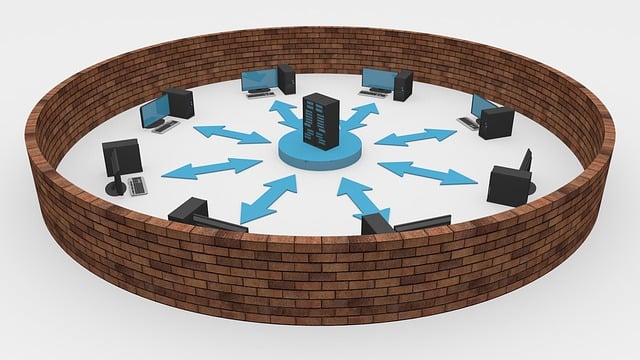
A network firewall is a security device or software that is designed to monitor and control incoming and outgoing network traffic based on predetermined security rules. It acts as a barrier between an internal network (such as a company’s private network) and external networks (such as the internet) to protect the internal network from unauthorized access, threats, and malicious activities. Network firewalls work by examining the data packets that flow through the network security and applying a set of predefined rules to determine whether to allow or block the traffic. These rules are typically based on criteria such as source and destination IP addresses, port numbers, protocols, and specific keywords or patterns in the packet content. The firewall can be configured to permit or deny traffic based on these criteria. By implementing a network firewall, organizations can establish a secure perimeter for their networks, control access to sensitive resources, prevent unauthorized access, detect and block malicious traffic, and enforce security policies. It is an essential component of network security infrastructure and plays a crucial role in safeguarding against various cyber threats. Firewalls play a crucial role in network security. It is the basic need to protect any network against security threats. However, there are a few common misconceptions or myths about network firewalls. Let’s explore some of them: It’s important to understand the capabilities and limitations of network firewalls and deploy them as part of a comprehensive security strategy. It should not be thought of a single technology that can do all cyber security protection by itself. Combining firewalls with other security measures ensures a more robust defense against a wide range of cyber threats.
How Do Firewalls Contribute To Network Security

Network security refers to the practice of implementing measures and safeguards to protect computer networks, systems, and data from unauthorized access, misuse, or attacks. It involves a combination of hardware, software, policies, and procedures designed to ensure the confidentiality, integrity, and availability of network resources. By implementing network security measures, organizations and individuals can mitigate the risks associated with unauthorized access, data breaches, and other malicious activities, ensuring the confidentiality, integrity, and availability of their networks and sensitive information. There are several technological components used for network security. Here are some of the key ones: These technological components work together to create layered defenses and establish a robust network security infrastructure. However, it’s important to note that effective network security requires a combination of technological solutions, policies, user awareness, and regular monitoring and maintenance. The basic and the most important of all these technologies is surely firewalls. Firewalls play a crucial role in network security by acting as a barrier between internal networks and external networks, such as the Internet. Here are some ways in which firewalls contribute to network security: Network Traffic Control: Firewalls monitor incoming and outgoing network traffic based on predefined security rules and policies. They examine packet headers and data to determine whether to allow or block traffic. By enforcing access control policies, firewalls prevent unauthorized access and limit the exposure of sensitive resources to potential threats. Access Restrictions: Firewalls allow network administrators to define access rules, specifying which types of traffic, protocols, or IP addresses are allowed or denied. This enables fine-grained control over network communication and helps protect against unauthorized access attempts or malicious activities. Intrusion Prevention: Some firewalls incorporate intrusion prevention capabilities. They analyze network traffic patterns and signatures to identify and block known threats or attack patterns in real-time. Intrusion prevention mechanisms can prevent malicious traffic from reaching internal systems and mitigate the risk of exploitation. Network Segmentation: Firewalls facilitate network segmentation by creating separate security zones within a network. By segmenting networks into different zones, such as DMZ (Demilitarized Zone) or internal LAN (Local Area Network), firewalls restrict the lateral movement of threats. This containment limits the impact of a potential breach and provides an additional layer of protection. Virtual Private Networks (VPNs): Firewalls often include VPN capabilities, allowing organizations to establish secure connections for remote users or branch offices. VPN functionality within firewalls ensures that data transmitted between remote locations and the internal network is encrypted and protected from interception or tampering. Application-Level Filtering: Some firewalls provide deep packet inspection capabilities, allowing them to analyze the content of network traffic beyond just the packet headers. This enables inspection and filtering of application-layer protocols, such as HTTP, FTP, or SMTP, to detect and block potential threats or policy violations. Logging and Monitoring: Firewalls typically log network traffic information, including connection attempts, blocked traffic, and security events. These logs can be used for monitoring, netwrok auditing, and incident response purposes, helping administrators analyze network activity, detect anomalies, and investigate potential security incidents. Distributed Denial of Service (DDoS) Protection: Advanced firewalls incorporate DDoS protection mechanisms to mitigate the impact of DDoS attacks. They can identify and filter out excessive or malicious traffic, ensuring that legitimate network services remain available during an attack. By implementing firewalls as part of a comprehensive network security strategy, organizations can establish a strong perimeter defense, control network traffic, protect against unauthorized access, and detect and prevent various types of threats and attacks.
Cyber Security Turnover Issue

Cyber security people do not prefer working on operational activities like firewall policy changes or analysis, so if this is the issue it may be one of the reasons of turnover. What about the cost of these turnover situations? There are several studies and reports that have looked into the costs of employee turnover in cybersecurity roles. While there is no one-size-fits-all answer, the general consensus is that turnover in cybersecurity can be costly for organizations, especially if they lose experienced and skilled employees. According to a report by (ISC)², a global non-profit organization that specializes in cybersecurity education and certification, organizations can spend an average of $145,000 to replace a cybersecurity professional. This includes recruitment costs, training expenses, and lost productivity during the transition period. Another study by the Ponemon Institute estimates that the cost of employee turnover in cybersecurity can be as high as $3.5 million per year for large organizations. This figure takes into account the direct costs of recruiting, hiring, and training new employees, as well as the indirect costs of lost productivity and reduced morale among remaining staff. The Society for Human Resource Management (SHRM) has also conducted studies on the cost of employee turnover, including in the cybersecurity field. According to SHRM’s 2019 Human Capital Benchmarking Report, the average cost per hire for a cybersecurity professional was $11,514, which includes recruitment costs such as advertising, sourcing, and screening candidates, as well as the time spent by HR and hiring managers to fill the role. Additionally, SHRM’s 2019 Employee Benefits Report found that offering competitive salaries and benefits is a key factor in retaining employees, including those in the cybersecurity field. The report notes that organizations that provide above-average benefits, such as healthcare and retirement plans, are more likely to retain their employees than those that provide below-average benefits. According to another study by the Society for Human Resource Management, regardless of cyber security the average cost of turnover can range anywhere from 30-50% of an employee’s annual salary. For example, if an employee earns $50,000 per year, the cost of turnover could be anywhere from $15,000 to $25,000. It’s important to note that the cost of turnover includes both direct and indirect costs, such as the cost of recruiting and training a replacement, lost productivity, and the impact on morale for remaining employees. Some estimates put the direct cost of replacing an employee at 1.5 to 2 times their annual salary, with indirect costs adding another 50-70% of their annual salary. Turnover in cybersecurity roles can also have other implications for an organization’s security posture. For example, when experienced staff leave, they take their knowledge and expertise with them, which can result in a loss of institutional memory and potentially leave the organization vulnerable to cyber-attacks. Overall, the cost of turnover for cybersecurity engineers can be significant and organizations should take steps to retain their skilled employees, such as offering competitive salaries, professional development opportunities, a positive work environment and surely eliminate operational activities from their daily routines.
Firewall Change and Best Practices for Change Management

Change management is an important part of any IT organization. To make people about what will be happening, to make it in a controlled manner and decrease unplanned downtime every organization must be working on a good change management process. As to firewalls, firewalls are an essential security tool for protecting networks and systems from unauthorized access and malicious activity. Implementing and managing firewall changes can be a complex task, and there are some best practices that organizations can follow to ensure their firewalls are effective and secure: By following these best practices, organizations can effectively manage their firewall changes and maintain a strong security posture.
What Are The Things To Be Done On Firewalls

Firewalls are devices used for segmentation of networks and it is a basic cyber security product that every entity has in their infrastructure. For this post we have asked ChatGPT what additional tasks that must be done on a firewall apart from rule creation. See how it has responded to this question. Here are some common tasks that are typically performed on a firewall: So, it is clear that there are several important tasks to be done on firewalls analysis. If you have a chance to automate policy change activity or any similar activity that is repeatitive that certainly makes sense. Otherwise, you need to have a larger team that would handle that much activity. Frequently Asked Questions 1. What are the essential tasks involved in firewall management? Effective firewall management includes rule creation, policy configuration, monitoring, logging, software updates, rule optimization, performance tuning, compliance checks, and regular security reviews to keep networks secure and efficient. 2. Why is regular firewall maintenance important? Regular firewall maintenance helps identify outdated or risky rules, improve network performance, reduce security vulnerabilities, ensure regulatory compliance, and protect against evolving cyber threats. 3. How can firewall management be automated? Firewall management can be automated by using a Network Security Policy Management (NSPM) solution to streamline policy changes, automate rule analysis, optimize firewall rules, generate compliance reports, and reduce manual administrative tasks. 4. What security features should a modern firewall include? A modern firewall should support access control, VPN connectivity, intrusion detection and prevention, application control, URL and content filtering, network segmentation, traffic monitoring, encryption, logging, and high availability. 5. How does Opinnate simplify firewall management? Opinnate automates firewall policy management by providing centralized visibility, rule analysis, policy optimization, change automation, compliance reporting, and continuous monitoring, enabling IT teams to manage complex firewall environments more efficiently.
Corporate Security Policy Need

Today every organization has a corporate security policy that is developed in years. The corporate security policy is a must have any organization follow and keep up to date. The implementation of corporate security policy on firewall devices is one of the major needs that must be fulfilled since firewalls are devices that opens and closes door to any service or application to anywhere. However, the following of the policy or keeping security policies on firewalls in parallel with it is not so easy. In this post we will be dealing with the reasons of this issue. To start with, firewalls must be managed in a segregation of duties principle. The application of firewall policies and the decision of which policies are allowed or not must be handled by different teams or employees reporting to a different manager. With the help of this segregation, operation teams be mentored or have a control over what they are doing on firewalls. This segregation of duties principle can not be applied on all the corporations and generally the people managing firewalls are the same with the people having the responsibility of checking corporate security policy. This is a condition that may lead to some kind of blindness and operation teams may apply policies on behalf of their needs or choice. This uncontrolled condition may lead to firewall rules that is not accordance with the decided corporate policies. As to companies having the segregation of duties already in place there are other difficulties exist. First of all, checking or approving security policies if they have accordance is some kind of operational activity since it is repetitive. One will do the same controls on the firewall access tickets for every ticket. Since this is an operational activity although there is a need of higher experience level, generally the people assigned to this activity are junior level engineers. This low level security experience may lead to decisions that are not appropriate or wrong. Apart from that, since approval duty is somehow an operational activity the people doing this activity have a potential of making mistakes of what they are doing anytime. Also, the turnover rate in security teams is quite high. So, for every newcomers to the teams there is a need of learning what kind of infrastructure exist, what business they are doing and surely what corporate security policies there are. It is a tedious process for the existing employees also. And surely there is a potential of making mistakes for every newcomer dealing with tickets. Effective implementation of corporate security policies on firewalls is pivotal in safeguarding an organization’s digital assets. These policies encapsulate the organization’s cybersecurity objectives, defining the rules and regulations that govern network access, data sharing, and overall information protection. Successfully translating these policies into firewall configurations demands meticulous attention to detail. The alignment of security policies with firewall rules ensures that only authorized users and traffic can traverse the network, minimizing the attack surface and potential vulnerabilities. Regular audits and updates are essential to ensure that security policies remain current and aligned with emerging threats and changing business needs. The interplay between well-crafted security policies and accurately enforced firewall rules forms a robust defense against cyber threats, enabling organizations to maintain a proactive security posture and mitigate risks effectively. To sum up, corporate security policy implementation on the firewalls and keeping it in accordance with it is a need. In placed segregation of duties is a must, however it is not a guarantee since it is thought to be an operational activity and is treated accordingly. There must be a mechanism in place to make corporate security policies applied and kept on firewalls.
Security Operations to be Handled in a Different Way
With the arrival of internet, we started working with security technologies and since that time everything has changed. Cloud adoption is increasing each day, firewall is not the only protection mechanism against threats, each year we meet with new threats and technologies, there are IT service companies managing security products for their customers, there are several compliances to comply with. How about security operations? When we talk about security operations it generally means administration of security devices. Firewalls, proxy, IPS, WAF are some of the devices that is managed by security operation teams. These teams do maintenance activities for these devices, also they need to resolve tickets coming from the ticketing system related with these devices. Security administration was something like that 20 years before except the addition of new devices to the system. Daily routines and effort needed activities must somehow need to be changed. Security administrators need to focus on advance capabilities of the systems they are managing and advance more on their knowledge. To be able to do that they must follow new publications and new technologies, test new technologies in their lab environment. They need to focus on Improving the infrastructure and harden it and also make extensive testing before making any changes to the system. With the daily ongoing operations although it is necessary it is not possible to arrange time for these activities. So, daily routines, operational tasks and all other things that can be automated must be automated. We are not in an era that configuration backups of the devices are managed manually for example. We are using systems that can do it daily for us. Similarly, policy changes are also among the activities that can easily be handled by specialized products. Periodical analysis and hardening activities can also be managed in a way that operation teams not spend time on with the aid of same kind of systems. If an activity that is done manually can easily be written down step by step, then it can be said that it can also be done automatically by the aid of any system, so the approach to this kind of any task must be to automate it. The realm of security operations places a significant burden on IT teams, particularly when it comes to complex tasks like firewall management. In addition to their core responsibilities of maintaining IT infrastructure, IT teams are tasked with configuring, monitoring, and updating firewalls to thwart potential cyber threats. This burden is amplified by the constant evolution of attack techniques and the need for stringent policy enforcement. Manual firewall management consumes valuable time and resources, diverting IT personnel from other critical duties. Furthermore, misconfigurations or delays in updating firewall rules can inadvertently open vulnerabilities in the network. As organizations grow and networks become more intricate, this burden becomes even more challenging to bear. To address this, IT teams are turning to automation and advanced management solutions that not only streamline firewall operations but also free up IT personnel to focus on strategic initiatives and proactively addressing security concerns. Cyber defense or cyber monitoring activities are also security operations that not include administration of security devices, instead including analysis of events generated on the system. These events are managed in tiered levels of experts, however in the first layer it is needed to use orchestration solutions to triage the events going on. It is a triage activity automation, otherwise to be done by people. Security operations in nowadays is composed of administration of many devices. Manual routine activities on these devices need to be automated to make use of qualified employees in an optimum way. In a way that enable them advance more on their security knowledge.
New Security Trends and Technologies

According to Gartner the digital footprint of companies expanded so much during pandemic, so this introduced us with new network security challenges, security trends and new kind of attacks. These events lead companies to reframe their security practice, rethink on technology and find ways to respond to new threats. To start with, the increased scale and complexity of digital organizations change the approach of the obsolete centralized security management. It is a tendency to decentralize security decisions to different part of the organization. That means different security leaders to lead different part of the organization to make this management more effective. Social engineering based successful security attacks and decisions made by business technology leaders has changed the security awareness programs effectiveness. Security leaders must invest in security behavior and culture programs. When thinking about technology shift, it is the technology itself, the complexity of security infrastructure is increasing when new technologies arrive each year. However, coping with the increased complexity is not preferred with the restricted human resources. During the last 10 years we have witnessed that IPS and proxy kind of technologies lost market share in total security market due to new generation firewall and UTM solutions. It is a widespread tendency nowadays to use IPS on firewall devices even in highly regulated and attacked industries like finance companies. Consolidated security technology usage is still a need and will be in place in the following years with the increasing cloud adoption and increasing attack surface. Companies start working in hybrid environments; different public clouds, on-prem and DRC sites usage, branches and home office adoption necessitate usage of security implementation on each site. SASE and XDR are the solutions that most companies are planning to use in the following years for the sake of this security consolidation need. With the expanded digital footprint of companies the visibility of companies decreased and there are now blind spots in the environment that is targeted by attackers. During the last year two changes in the attack landscape became more obvious. The first one is exploitation of identity. Credential misuse leading to increase in security incidents. Indeed, more complicated attacks target identity system itself. This may cause the identification of the attack itself. The second important attack domain is the digital supply chain. Vulnerabilities embedded in digital supply chains are often difficult to detect and thousands of applications or devices simultaneously be impacted. In summary, new security trends with the increased cloud adoption and digital footprint of companies and with limited resources it is now necessary to change the effectiveness of security leadership by segmentation of the organization, to consolidate the security technologies and cope with new kind of attacks targeting identity and supply chains.
Challenges SMBs face for Effective Policy Management
Small and medium sized companies are the most widespread size of companies in the world. It is estimated that around %99 of businesses are SMB and nearly half of the overall GDP of countries come from SMB business. There are several challenges SMBs are facing during their lifetime, but in this post we will be dealing with firewall policy management challenge they need to face. When it comes to policy management or IT management activity for an SMB business, it is seen that most of these companies outsource this activity to a 3rd party. Hosting, server management, application management, network and security management are the services that is generally outsourced. Therefore, the first challenge for effective policy management comes from IT resource need. For a company to make effective policy management, they need to hire an employee having necessary skills. However, to make an effective use of financial resources they prefer working with MSSP companies that will be doing this activity on their own. This brings us to another challenge of 3rd party service management for firewall and policy management activities. Companies must be able to coordinate and audit outsourced IT services like firewall management since it is related to overall security maturity of the company and also there are several regulations that these companies must comply with. To be able to follow, evaluate or manage the service they are given there are several IT software applications that can be used. One that is related to policy management service is network security policy management applications. Therefore, either the company outsourcing this service or the MSP itself must own this kind of software. Indeed, it makes sense to make a contract having these software applications integrated to their services. In the context of Small and Medium-sized Enterprises (SMEs), managing firewall policies poses unique challenges. Limited resources and expertise often hinder efficient firewall policy management. SMEs may lack dedicated cybersecurity personnel, leading to a struggle in keeping up with the ever-changing threat landscape. Additionally, with lean IT teams, the manual configuration, updating, and monitoring of firewall rules become burdensome tasks, leaving networks vulnerable to misconfigurations and potential breaches. Furthermore, SMEs might have rapid growth or dynamic network environments, making it challenging to maintain an accurate and up-to-date inventory of assets for policy enforcement. In this context, the need for user-friendly, cost-effective, and easily scalable firewall policy management solutions becomes increasingly evident, allowing SMEs to mitigate these challenges and establish a stronger cybersecurity posture. For larger SMB companies the situation differs a bit. For larger businesses, inhouse IT resources are needed since the size of the company bigger or it is a web-based company or there are some regulations that necessitate keeping employees internal. In this case, although the company or IT is big the number of people working in IT may not be so high. There are super admins in this kind of teams managing both servers and applications or network, security, and client applications. To be able to talk about effective policy management there must be an automation in place in this kind of environment. This automation can deal with policy management activity and optimization of the firewalls, so the super admin can deal with just the reports generated by this system, not the whole life cycle of policy management. In summary, SMB businesses are the most widespread companies in the world and effective policy management is a need for them as any other company. Network Security Policy Management solutions must be in place either in as a service model or inhouse for both policy and change management needs of the company.