


Firewall Rule Audit: How to Do It Right

Firewall configurations heavily impact enterprise network security. However, configuring a firewall predisposes it to misuse, meaning it’s a system that requires regular audits for its checks and balances to remain effective. This critical audit identifies misconfigurations, removes outdated rules, and verifies whether access controls are exercised both in accordance with security policies and compliance requirements. This article discusses the reasons for working on firewall rule audit, best practice considerations, and how automating auditing processes can enable better security and efficiency. What Is a Firewall Rule Audit? An audit for firewall rules is undertaken systematically, reviewing and analyzing the access control rules set on a firewall. These rules govern which traffic can be allowed or denied across network boundaries. Typically, firewalls acquire redundant, outdated, or conflicting rules with time as organizations evolve and thus their needs change. Without regular auditing, a firewall becomes a confounding mess of rules introducing vulnerabilities and performance issues into boundaries. Audit procedures ensure that the rules are up to-date, optimized for performance, and are in compliance with internal policies and/or external regulations. Why Firewall Rule Audits Matter The regular conduct of firewall rule audits will see multiple benefits: 1. Enhanced Security Posture Outdated or overly broad firewall rules may expose your network to unauthorized access. By auditing firewall rules, you can minimize the attack surface and reduce the risk of breaches. 2. Regulatory Compliance Standards such as PCI DSS, ISO 27001, NIST 800-53, and GDPR require periodic review of firewall configurations. A firewall rule audit helps organizations demonstrate compliance and avoid potential penalties. 3. Performance Optimization Too many or poorly ordered rules can degrade firewall performance. Rule audits help streamline processing by eliminating redundancies and improving rule logic. 4. Operational Clarity Firewall audits improve visibility into who has access to what, helping network and security teams make informed decisions about rule modifications and access policies. Key Components of A Firewall Rule Audit A thorough firewall rule audit involves these important steps: 1. Inventory and Documentation Prepare an inventory of all firewalls and all associated rule sets. The documentation should also include rule purpose, date of creation, last hit timestamp, and rule owner. 2. Find Out Usage of Rules Analyze firewall logs or use passive observation. Infer from traffic that some rules might not be triggered to identify unused or rarely used ones. Rules not triggered for the last 30-90 days depending on the environment maybe considered for deletion. 3. Detection of Shadowed and Redundant Rules Shadowed rules are ineffective since a higher rule already permits or denies the traffic they intend to regulate. In the same sense, duplicate or overlapping rules create confusion and high maintenance instead of being helpful. Identification and resolution of these issues remain the heart of the audit. 4. Overly Permissive Rules Rules allowing “any” source, destination, or service are inherently dangerous. These entries should be audited to ensure access is limited to what is strictly necessary. 5. Recertification of Rules Each rule shall be recertified periodically by the originator or a responsible stakeholder to attest that it is still required and correctly configured. 6. Change Tracking Historical changes to the rule base shall be recorded with evidence on who has changed what and why in order to provide insight to rule intent and provide an audit trail for compliance. Common Pitfalls in Firewall Rule Audits Avoid these frequent mistakes during the firewall rule audit process: Failing to involve stakeholders: Rule owners from business units should be involved to determine the necessity of each rule. Not using automated tools: Manual audits are time-consuming and error-prone. Assuming hit count equals necessity: Just because a rule gets hits doesn’t mean it’s valid — review the traffic source and business need. Neglecting object and NAT policies: Firewall objects, address groups, and NAT rules also require auditing. Overlooking multi-vendor environments: Use centralized tools for auditing if you manage firewalls from different vendors like Fortinet, Palo Alto, Cisco, or Check Point. Best Practices for Effective Firewall Rule Auditing To maximize the impact of your audit, follow these best practices: Audit at least quarterly: Frequency depends on the environment, but quarterly reviews are a strong baseline. Use baselines and templates: Establish standard rule structures for common services. Set alert thresholds: Flag risky or anomalous rules (e.g., allow all traffic from external sources). Implement approval workflows: Changes to the rule set should follow an approval and documentation process. Automate with purpose-built tools: Solutions like Opinnate NSPM or Tufin provide automation, real-time visibility, and rule lifecycle management capabilities. Automating the Firewall Rule Audit Process Manual audits can be cumbersome and delay remediation. By leveraging firewall policy management platforms, you can: Automatically identify unused, shadowed, and risky rules Integrate with ticketing systems for change tracking and approval Schedule recurring audits and generate compliance-ready reports Visualize rule paths and identify policy gaps Normalize policies across vendors in hybrid environments These platforms improve audit consistency, reduce human error, and ensure faster response to emerging risks. How Often Should You Perform a Firewall Rule Audit? The answer depends on your industry, compliance requirements, and network complexity. At a minimum, conduct a firewall rule audit: Before and after significant network changes After security incidents or breach attempts On a quarterly or biannual basis for compliance You may also want to run lightweight monthly reviews focused on changes and anomalies. A firewall rule audit isn’t just a checkbox exercise — it’s a vital part of maintaining a strong security posture. By regularly reviewing firewall rules for effectiveness, necessity, and risk, organizations can safeguard their networks, streamline performance, and remain audit-ready for regulatory frameworks. Whether you manage a single firewall or a complex multi-vendor environment, investing in a structured and automated audit process is essential. As cyber threats evolve, so must your firewall rule base — and it all starts with a proactive, ongoing audit strategy.
Firewall Compliance Management in Depth

Firewall compliance management -one of the most important aspects in network security- ensures that firewall rules and configurations follow best practices, regulatory requirements, and corporate security policies. In this article, we will talk about the importance of firewall compliance management, some challenges faced by organizations, and best practices for ensuring compliance. Introducing Firewall Compliance Management In essence, firewalls are the first line of defense against cyber-threats, controlling traffic flowing from internal networks to external environments. However, with the deployment of the firewall, organizations also have to ensure compliance of firewall rules and policies with industry standards and regulations such as PCI DSS, HIPAA, GDPR, NIST, and ISO 27001. It is seen that the firewall compliance management essentially includes: Auditing of firewall rules and policies regularly to find misconfigurations and redundancies. Compliance of rules to regulatory imperatives and security best practices. Documentation of changes and maintaining audit trails for accountability. Automating compliance checks to minimize human errors and improve efficiency. Why Firewall Compliance Management is Important Regulatory Compliance: Non-compliance with regulations such as PCI DSS or GDPR usually attracts massive penalties and tarnishes the image of the organization. Firewall compliance ensures that the organization stays within the boundary of law and regulations. Controlling Security Risks: Weak or misconfigured firewall rules can expose the organization’s network to various attacks such as malware, ransomware, and unauthorized access. Continuing checks on firewall compliance credentials help plug the security loopholes before they turn into body-threatening vulnerabilities. Optimized Firewall Operations: Firewall rule bases become cluttered with redundant or contradicting rules over a period of time, leading to degraded performance. Firewall compliance ensures the streamlining of rules for optimized performance. Faster Incident Response: A good documented set of firewall rules that are compliant enhances visibility and speeds up incident response, thus minimizing the impact of any security breach. Avoiding Operational Disruption: Unauthorized changes to firewall rules not grounded in validation can lead to service interruptions and downtime. Through compliance management, we ensure that any change goes through an approval process and is thoroughly tested prior to implementation. Challenges in Firewall Compliance Despite its importance, many organizations struggle with firewall compliance management due to: Best Practices for Firewall Compliance Management To overcome these challenges and ensure effective firewall compliance management, organizations should follow these best practices: Understanding How Opinnate Aids in the Management of Compliance of Firewalls Organizations in pursuit of a more efficient way to manage their firewall compliance can benefit from Opinnate NSPM, which includes and accomplishes the following: Automatic analysis and optimization of firewall rules. Ongoing compliance monitoring against statutory standards. Complete reporting and audit logs. Intelligent rule recommendations using best practices. Integration across multiple vendor firewalls. In this way, Opinnate NSPM smoothens firewall compliance management for organizations while lowering security risks and ensuring that the organizations stay relevant with industry rules without manually conducting audits. Firewall compliance management is essential to the domain of network security, helping organizations eliminate incoming threats, ensure regulatory compliance, and maintain operational efficiency. By adopting best practices, using automation tools, and being proactive, the organizations can tip firewall management in favor of the firewall being secure against the cyber threats threatening their key assets. For organizations seeking improvement in firewall compliance management, Opinnate NSPM offers an innovative and automated solution that simplifies rule analysis, improves compliance, and reduces security risks. Contact us today to secure your network through efficient firewall compliance management! Frequently Asked Questions 1. What is firewall compliance management? Firewall compliance management is the process of ensuring that firewall rules, configurations, and policies align with regulatory requirements, industry standards, and organizational security policies. It involves auditing, monitoring, documenting, and optimizing firewall rules to maintain compliance and security. 2. Why is firewall compliance management important? Firewall compliance management helps organizations reduce security risks, meet regulatory obligations, improve firewall performance, and maintain proper documentation for audits. It also minimizes the chances of unauthorized access and costly compliance violations. 3. Which regulations commonly require firewall compliance? Several regulations and frameworks emphasize firewall security, including PCI DSS, HIPAA, GDPR, NIST, and ISO 27001. These standards require organizations to implement and maintain appropriate network security controls to protect sensitive information. 4. How can automation improve firewall compliance management? Automation can simplify compliance by continuously monitoring firewall policies, identifying risky or redundant rules, generating audit reports, tracking changes, and reducing manual errors. This helps organizations maintain compliance more efficiently and consistently. 5. How often should firewall compliance audits be conducted? Firewall compliance audits should be performed regularly, typically quarterly or whenever significant network changes occur. Frequent reviews help ensure that firewall rules remain aligned with security requirements, business needs, and evolving compliance standards.
Firewall Audit Tool for Stronger Network Security
Why Should You Consider a Firewall Audit Tool for Network Security? Today, firewalls are the first tier protecting against a cyber threat. They filter the incoming and outgoing network traffic, allowing no unauthorized access. This infers that merely having a firewall is not enough; the role of a firewall audit tool very much comes into play in ensuring that the firewalls are properly configured according to current security protocols. What Is a Firewall Audit Tool? A firewall audit tool can be defined as a specialized software or system used to examine and evaluate the configurations, rules, and policies applied to a firewall so that it works accordingly; this includes looking for vulnerabilities, misconfigurations, or redundant rules that might allow security breaches. The audit tool also offers continuous insight into the operations of your firewall, thereby helping to prevent: Firewall rules that are too permissiveRedundant or conflicting rulesMissing security policiesUnsatisfactory or outdated firewall configurations The Importance of the Audit Tool 1. Identifying Misconfigurations and Vulnerabilities One of the main advantages of a firewall audit tool is its ability to identify misconfigurations. A firewall may be incorrectly configured, leading to unintended open ports or access points, creating an entryway for cybercriminals. An audit tool helps highlight these issues, ensuring that the firewall rules are set to meet your security standards. 2. Keeping Your Network Safe from Evolving Threats Cyber threats evolve rapidly, and so must your security measures. Using a tool allows you to stay on top of new vulnerabilities and adjust your firewall rules accordingly. It can suggest rule changes based on the latest cybersecurity threats, ensuring that your network remains protected against new types of attacks. 3. Streamlining Firewall Management In complex network environments, managing firewall rules can be cumbersome. With a firewall auditing tool, administrators can easily visualize rule changes, track modifications, and ensure the rules align with best practices. This streamlines the entire management process and reduces the chances of human error. 4. Compliance with Security Standards and Regulations Many industries must adhere to strict regulatory requirements, such as GDPR, HIPAA, or PCI-DSS. A firewall audit tool helps you maintain compliance by automatically checking if your firewall meets necessary security protocols and by providing audit trails of rule changes. This ensures that your organization meets both legal and security standards. Key Features to Look for in the Audit Tool When selecting a firewall audit tool, it’s important to choose one with the following features: Tools for firewall auditing are certainly not a luxury item; they are supposed to be a critical part of a solid strategy for network security. Carrying out regular audits would ascertain that the firewall is effective, that risks are minimized, and that compliance is improved. With the right investment into firewall audit tool, the defenses can be strengthened, potential threats suppressed, and a secure infrastructure sustained for business activities.
Network Security with Firewall Policy Review Tools

One of the most crucial aspects for any enterprise, big or small, is network protection. Strong measures must be adopted to help secure the assets or sensitive information since the cyber threats that evolve continuously. One component of defense strategy includes implementing firewall policies and maintaining them effectively. But the task may become pretty challenging, owing to the complexity and volume of modern network configurations. That’s when you need firewall policy review tools that ensure security improvement with minimum risks. The Need for Policy Review on Firewalls A firewall is the first to stand on the defense stage for block cyber-attacks. It determines the incoming and outgoing traffic per the prescribed security measure. The rule may not remain as simplistic as it started. It can get complex over time based on network architecture changes, new needs of applications, and employee turnover. By not reviewing them, the organization exposes itself to the risk of rules being outdated, redundant, or overly lenient, any of which may jeopardize security. A comprehensive firewall policy review ensures: Improved Security Posture: Identification and addressing of weak points in a rule set minimizes space for exposure. Compliance to Regulations: Many industries have strict compliance requirements for network security, and regular reviews help satisfy these obligations. Optimized Performance: Fewer duplicated or unnecessary rules help increase firewall efficiency and improve network performance. Reduced Operational Overhead: Easy to manage and less time-consuming to troubleshoot. This policy audit tool for firewalls has the key features listed below: Rule identification and optimization: Firewalls’ usage tools expose their existence to reveal duplicates, as well as conflicting or overly broad rules, which carry security risks. Policy Visualization: Advanced tools provide graphical representation of rule sets instead of visualizing high-more-complexities. Compliance Checking: Automated compliance checks produce firewall policies such that they comply with various industry standards as those of PCI DSS, ISO 27001, or GDPR. Risk Assessment: These tools extract the actual realization of the effects that current policies may have for an organization on network safety by simulating possible attack paths. Change Management: Good tools log and track changes in policy that contribute to accountability and troubleshooting and maintain an audit trail. Passive Monitoring: Some products now offer passive viewing capabilities; they report on actual use of rules in order to identify underutilized or redundant rules and potentially minimize policy management chores. Benefits of Adopting Firewall Policy Review Tools Investing in firewall policy review tools offers several benefits that go beyond mere convenience. Let’s delve into why they are a must-have for modern organizations: Choosing the Right Firewall Policy Review Tool With numerous options available, selecting the right tool requires careful consideration. Here are key factors to evaluate: The trends of firewall policy review tools in future The progressions in the firewall policy management world have never been static; they have always kept evolving. Here are the few trends that will shape the future: Artificial Intelligence (AI) and Machine Learning (ML): Predictive analysis enables a smart and adaptive security management policy recommendation. Integration with Clouds: Management tools are required to provide a single policy interface across hybrid and multi-cloud environments. Real-Time Threat Intelligence: Will allow for associating threat intelligence with the shielding policy- hence maintaining its dynamic updates for protecting against emerging threats. Automation and Orchestration: Entirely automated workflows can cut down human errors besides reducing the associated response time to policy violations. No firewall policy review tool can solve any problem unless you are willing to pay for the solution in such a landscape as today, which is highly dynamic and fast-changing. Automated and optimized review processes help an organization bolster defensively, compliant with regulations, and lighten operational burdens. As cyber threats evolve, the importance of appropriate investments increases in terms of being critical towards effective, scalable network security. Very much a small business, equally multinational corporation, and adoption of these tools really is beneficial to one’s strategy in cybersecurity. The first step is to take a dive today, and discover through all the possible choices to get a tool fit to your needs and security goals. Frequently Asked Questions 1. Why are firewall policy review tools important for network security? Firewall policy review tools help organizations identify outdated, redundant, and risky firewall rules that could expose networks to cyber threats. They improve visibility, strengthen security controls, and support ongoing policy optimization. 2. How often should firewall policies be reviewed? Firewall policies should be reviewed regularly, ideally every quarter or whenever significant network changes occur. Frequent reviews help maintain security, improve performance, and ensure compliance with regulatory requirements. 3. Can firewall policy review tools help with compliance audits? Yes. Many firewall policy review tools include automated compliance checks and reporting features that help organizations align with standards such as PCI DSS, ISO 27001, GDPR, and other industry regulations. 4. What features should organizations look for in a firewall policy review tool? Key features include rule analysis, risk assessment, policy visualization, compliance monitoring, change tracking, reporting capabilities, and support for multiple firewall vendors and cloud environments. 5. How do firewall policy review tools reduce operational costs? By automating policy analysis and identifying unnecessary or conflicting rules, these tools reduce manual effort, minimize configuration errors, prevent costly security incidents, and improve overall network efficiency.
Firewall Rule Review Automation Need

Firewalls in today’s advanced and ever-changing network environments do not only act as security tools, but they provide the most important barrier of preventing cyber attacks. However, keeping an updated and productive firewall policy is easier said than done. Security teams almost always have a hard time managing and assessing firewall setups. This is mainly because there could be hundreds and sometimes thousands of rules. This is where firewall rule review automation comes in – a solution aimed at improving the efficiency with which firewall rule reviews are done, thereby enhancing security and ease of operations. In this article, we shall discuss the process of firewall rule review automation, its advantages and the reason why most organizations today find it mandatory in order to protect themselves from a plethora of threats. What Is Firewall Rule Review Automation? Firewall rule review automation is the process of evaluating firewall rule sets with the help of automated systems and tools. These systems and tools check the current rule set for repetitions, non-compliant config, un-optimized rule sets etc. Instead of having to visually search through, cross-reference, and manually keep inspired thousands of firewall rules (which is naturally slow, inexact, and needs a lot of manpower), there is little difficulty for an organization to deal with regimented processes of repeating firewall rule cleanups. Automation tools can identify discrepancies and suggest changes and also make sure that the policies of the firewalls are in accordance with the industry standards of practice and the regulations set out. The Difficulties of Manually Verifying Firewall Policies Although they are critical, many companies still use a manual method in reviewing and improving on the firewalls in place. Unfortunately, this kind of approach has a number of hurdles to overcome: Time-Consuming: Scanning through hundreds or even thousands of firewall rules is an arduous and time-consuming undertaking due to the manual process involved. Network security teams often take days if not weeks, just to complete one cycle of review. Human Limitations: No matter the level of skill and experience, manual evaluations will always have short comings. Some significant rules may be missed while some unnecessary ones may be present thus creating loopholes in security. Absence of Continuous Evaluation: In case of manual processing, escalation is also not feasible along with evaluation and implementation of the rules on a constant basis. There is no action until the damage has already occurred. Scaling Challenges: Organizations change, and changes in their networks are to be expected as well. Over time, it becomes too challenging and unsustainable to manually handle increasing firewall rules. The Need for Automation in Firewall Rule Reviews Given these challenges, it’s no surprise that firewall rule review automation is rapidly gaining traction. By automating rule reviews, organizations can reduce the workload on IT and security teams, minimize human error, and improve overall network security. Automation tools utilize algorithms and machine learning to analyze firewall rules, detect misconfigurations, and recommend optimizations. These tools can integrate directly into existing network infrastructures, providing continuous monitoring and proactive remediation of rule-related issues. Some of the Top Benefits of Automating the Firewall Rule Review. Let us consider a few of the advantages that can be explained through automation: Speed and Efficiency: One of the most significant advantages of automating firewall rule reviews is the speed with which they can be executed. What took weeks and months to accomplish can now be done within a few minutes. Using automated tools, it is possible to scan, analyze and optimize large rule sets within seconds allowing the organization to see the security status of the network in real-time. Reduction in Human Error: Automated systems eliminate the possibilities of human oversights. Advanced algorithms can identify anomalies as small as imperfect configurations, unneeded policies, or even security weaknesses that could easily be overlooked in a manual assessment. Continuous Monitoring and Real-Time Alerts: Automation tools, such as firewall rule review tools also issue alerts as soon as they observe or predict any risk or even configuration mistakes. This continuous alerting helps to ensure that the firewall system is always at peak performance which in turn reduces the level of risk posed by threats. Enhanced Compliance: It has now become less of a headache to ensure that the firewall settings maintain the set standards by authorities and the industry in general. Such tasks as carrying out compliance report assessments, auditing compliance with security policies and changes, and enforcement of security policies are easily accomplished using automation now. Cost Efficiency: Organizations can cut down the operating expense as operational cost is more at the time of manual cost when manual reviews are cut down. This gives IT teams the chance to devote more energy to other strategic activities instead of engaging in the tiresome process of several reviews of firewall rules. Furthermore, because of preventing disarray and breach of security, already the cost of automation is less due to avoided losses from downtime or clean-up costs. Better Scalability: As your business grows, your network infrastructure will inevitably become more complex. Automated rule review systems can easily scale alongside your infrastructure, ensuring that your security posture remains strong regardless of the size of your network. How to Implement Firewall Rule Review Automation Now that we understand the benefits, how can organizations begin to implement firewall rule review automation? Here are a few key steps: Firewall rule review automation is transforming how organizations approach network security. By automating the review process, businesses can save time, reduce human error, and maintain a strong security posture in an increasingly complex digital world. In the face of growing cyber threats and regulatory demands, automation is no longer a luxury but a necessity. By embracing automation, organizations can ensure that their firewalls remain an effective line of defense, safeguarding their data, systems, and reputations from the ever-present threat of cyberattacks.
ISO 27001 Information Security Policy in Depth

In today’s digital landscape, safeguarding sensitive information is paramount. Cyber threats are increasingly sophisticated, and the consequences of data breaches can be devastating. To combat these risks, organizations turn to robust frameworks like ISO 27001, the international standard for information security management systems (ISMS). At the heart of ISO 27001 is the Information Security Policy, a foundational document that outlines an organization’s approach to managing and protecting its information assets. This blog post delves into the essentials of ISO 27001 and provides insights into creating an effective Information Security Policy. What is ISO 27001? ISO 27001 is part of the ISO/IEC 27000 family of standards, which provide a framework for managing information security risks. It specifies the requirements for establishing, implementing, maintaining, and continually improving an ISMS. By adhering to ISO 27001, organizations can systematically manage sensitive information, ensuring its confidentiality, integrity, and availability. The Role of an Information Security Policy An Information Security Policy is a high-level document that articulates an organization’s commitment to protecting its information assets. It serves as the cornerstone of an ISMS and sets the direction for all information security activities within the organization. The policy communicates management’s commitment to information security and establishes a framework for setting objectives and responsibilities. Key Elements of an ISO 27001 Information Security Policy Steps to Develop an Information Security Policy Benefits of an ISO 27001 Information Security Policy In conclusion, an ISO 27001 Information Security Policy is a crucial component of an organization’s information security strategy. By providing a clear framework for managing and protecting information assets, it helps organizations mitigate risks, ensure compliance, and foster a culture of security awareness. Developing and maintaining an effective policy requires ongoing commitment and collaboration, but the benefits far outweigh the efforts, ensuring a secure and resilient organization in the face of evolving cyber threats.
Streamlining Success: The Power of Policy Compliance Automation
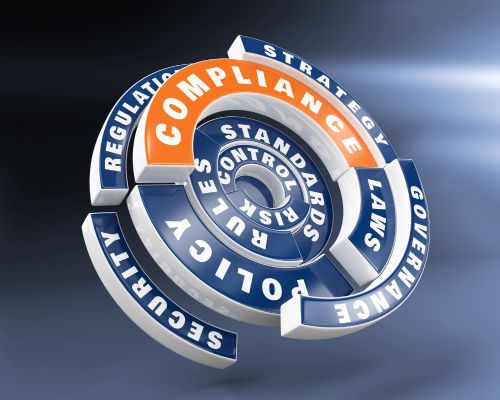
Organizations face an increasing number of regulations and policies that demand strict adherence. Navigating this complex web of compliance requirements can be a daunting task, often consuming valuable time and resources. However, there’s a game-changer on the horizon – Policy Compliance Automation. In this blog post, we will explore the significance of policy compliance automation, its benefits, and how it can transform the way businesses ensure adherence to regulations seamlessly. I. The Challenge of Manual Compliance: For years, businesses have relied on manual processes to ensure compliance with various policies, regulations, and standards. This approach, while necessary, is inherently flawed. Human error, inconsistent interpretation of policies, and the sheer volume of regulations make manual compliance a cumbersome and error-prone endeavor. Additionally, the lack of real-time monitoring and reporting increases the risk of non-compliance, leading to severe consequences such as fines, legal actions, and damage to reputation. II. The Rise of Policy Compliance Automation: Policy Compliance Automation involves the use of technology to streamline and automate the process of ensuring adherence to policies and regulations. This transformative approach leverages tools and solutions to monitor, enforce, and report compliance in real-time, reducing the burden on human resources and minimizing the risk of errors. III. Benefits of Policy Compliance Automation: a. Efficiency and Time Savings: Policy Compliance Automation eliminates the need for time-consuming manual processes. By automating routine tasks such as policy updates, monitoring, and reporting, organizations can redirect human resources towards more strategic and value-driven activities. b. Accuracy and Consistency: Automation ensures a consistent interpretation and application of policies across the organization. This reduces the likelihood of human errors and ensures that compliance efforts align with the intended objectives of each policy. c. Real-time Monitoring: With automated systems in place, organizations gain real-time visibility into their compliance status. This proactive approach allows for quick identification and resolution of potential issues, minimizing the risk of non-compliance. d. Cost Reduction: By automating compliance processes, organizations can significantly reduce the costs associated with manual efforts, including labor, paper, and the potential expenses incurred due to non-compliance penalties. e. Improved Reporting and Analytics: Policy Compliance provides robust reporting and analytics capabilities. Organizations can generate comprehensive reports, track trends, and demonstrate compliance to regulatory bodies more effectively, enhancing transparency and accountability. IV. Key Components of Policy Compliance Automation: a. Policy Management Systems: These systems centralize the creation, distribution, and maintenance of policies. Automation ensures that policies are consistently applied across the organization, and updates are efficiently communicated to relevant stakeholders. b. Continuous Monitoring Tools: Automated monitoring tools keep a constant eye on activities and processes, flagging any deviations from established policies. This real-time monitoring allows for swift corrective actions, reducing the potential impact of non-compliance. c. Audit Trail and Documentation: Automation facilitates the creation of detailed audit trails, documenting every action and decision related to compliance. This not only ensures transparency but also serves as a valuable resource during audits or investigations. d. Workflow Automation: Integrating compliance into existing workflows streamlines processes and ensures that compliance considerations are embedded in day-to-day operations. This reduces the likelihood of non-compliance due to oversight or neglect. V. Implementation Considerations: a. Customization: Organizations should seek policy compliance automation solutions that can be tailored to their specific industry, regulatory environment, and unique business processes. A one-size-fits-all approach may not effectively address the intricacies of individual compliance needs. b. Integration with Existing Systems: Seamless integration with existing IT systems is crucial for the success of policy compliance automation. This ensures that the automation solution works harmoniously with other business applications, minimizing disruptions and maximizing efficiency. c. User Training and Change Management: Successful implementation requires a well-thought-out training program for users. Additionally, organizations should invest in change management strategies to facilitate a smooth transition to automated compliance processes. VI. The Future of Policy Compliance Automation: As technology continues to advance, the future of policy compliance automation holds even greater promise. Artificial intelligence (AI) and machine learning (ML) capabilities will play a significant role in enhancing the automation of complex compliance processes. Predictive analytics can anticipate potential compliance issues, allowing organizations to take preemptive action. Furthermore, the integration of blockchain technology may revolutionize the way organizations manage and prove compliance. The immutability and transparency of blockchain can provide an incorruptible record of compliance activities, offering an unparalleled level of trust and accountability. Policy compliance automation represents a paradigm shift in how organizations approach and manage regulatory requirements. By embracing automation, businesses can not only ensure compliance more effectively but also unlock efficiencies, reduce costs, and enhance overall operational resilience. As we stand on the cusp of a new era in business and technology, policy compliance automation emerges as a powerful ally in navigating the complexities of the regulatory landscape with confidence and ease.
Firewall Audit Checklist for Robust Protection

Safeguarding your organization’s sensitive information is non-negotiable. Your first line of defense? The firewall. But, having a firewall in place is just the beginning. Regular audits are essential and a mature firewall audit checklist is needed to ensure that your cybersecurity measures are robust and up to the task. In this blog post, we’ll guide you through a comprehensive firewall audit checklist to fortify your digital fortress and keep cyber threats at bay. 1. Documentation Deep Dive: The foundation of any effective firewall audit checklist begins with thorough documentation. A strong firewall configuration starts with well-documented rules and policies that guide its implementation. During your audit, take the time to review your network diagrams, firewall rule sets, and change management logs. Verify that these documents reflect your current network topology, security requirements, and organizational changes. Why It Matters: Having accurate documentation ensures that the firewall configuration is aligned with the current needs and prevents configuration drift, where outdated settings remain in place despite changes to the network. This documentation also simplifies troubleshooting and enhances transparency in your security operations. 2. Rule Sets Reckoning: One of the most crucial aspects of firewall management is your rule sets and access controls. During your audit, evaluate your firewall’s rule sets to ensure they are functioning as intended and minimizing the risk of unauthorized access. Your primary focus should be on limiting access to critical resources and minimizing exposure to external threats. Why It Matters: Well-configured firewall rules are the first line of defense in preventing unauthorized access. Obsolete or unnecessary rules can leave the network open to attacks. Regularly revising your firewall rule sets ensures that only necessary traffic is allowed while blocking harmful activity. 3. Rule Order Revolution: In many cases, the effectiveness of your firewall is not just about the rules themselves but the order in which they are processed. Firewall rules are evaluated sequentially, meaning that the order in which they are listed can impact their effectiveness. During your audit, carefully review the prioritization and sequence of firewall rules. Why It Matters: A misordered rule set can allow harmful traffic to bypass security measures, leaving your network vulnerable to attack. Proper rule ordering ensures that your firewall prioritizes the most critical defenses and processes security events in a logical manner. 4. Logging & Monitoring Mastery: A firewall without proper logging and monitoring is like a security guard who doesn’t keep watch. Logging is essential for tracking network activity and identifying potential security incidents. Regular review of firewall logs helps you capture relevant information such as traffic patterns, security events, and unusual behavior. Why It Matters: Effective logging and monitoring are essential for detecting and responding to potential threats in real-time. Without proper monitoring, security breaches may go unnoticed, leading to greater damage. Regular log review and alerts ensure you can react promptly to incidents and minimize the impact of security events. 5. Firewall Firmware Finesse: Just as with any other technology, keeping your firewall’s software and firmware up to date is critical to protecting it from vulnerabilities. Cybercriminals often target known weaknesses in software, so regularly updating firewall firmware is a necessary part of your security routine. Why It Matters: Outdated firmware can leave your firewall exposed to cyberattacks. Regularly applying security patches ensures that your firewall remains resilient against new vulnerabilities and threats. Well-maintained firmware is a crucial layer in your defense strategy. 6. User Authentication Assurance: In many organizations, the most significant security threats arise from user mistakes or compromised credentials. Ensuring that user authentication is properly configured within your firewall is a critical aspect of network security management. Why It Matters: Effective user authentication is critical to ensuring that only authorized individuals can access your network. Weak or compromised authentication mechanisms are one of the most common causes of security breaches. Robust authentication ensures that only trusted users can access sensitive network resources. 7. VPN Vigilance: As remote work and mobile devices become more common, VPNs (Virtual Private Networks) have become a vital tool for securing remote access. However, VPN configurations need to be scrutinized regularly to ensure they remain secure. Why It Matters: VPNs provide secure remote access to your network, but poor configuration or weak encryption can create vulnerabilities. Secure and properly configured VPNs ensure that remote workers can access network resources safely, without exposing the network to unnecessary risks. 8. Intrusion Prevention Inspection: Firewalls should not only block unauthorized access but also actively detect and prevent attacks. Many firewalls come equipped with intrusion prevention and intrusion detection systems to block suspicious activity before it reaches critical resources. Why It Matters: Intrusion prevention systems are critical for proactively stopping attacks before they can infiltrate the network. Regular inspection and updates to these systems help ensure that your firewall can effectively block evolving threats. 9. Redundancy and Failover Finesse: No firewall can guarantee 100% uptime, so it’s essential to have redundancy and failover systems in place. If your firewall goes down, you need to ensure that there is a secondary mechanism in place to continue protecting your network. Why It Matters: Redundancy and failover systems ensure that your firewall protection continues without interruption, even in the event of a failure. These systems prevent downtime and maintain a high level of security, especially in critical environments. 10. Incident Response Prowess: Your incident response plan is crucial to minimize the impact of security breaches. During a firewall audit, ensure that your response protocols are aligned with the firewall’s security settings. Why It Matters: A well-prepared incident response plan minimizes the damage of security breaches. Regular testing of the plan ensures that your team is ready to act quickly and effectively in the event of a firewall-related incident. 11. Physical Security Protocol: While digital security is essential, physical security should never be overlooked. If an attacker can access your firewall physically, they can bypass digital protections entirely. Why It Matters: Physical security ensures that your firewall hardware is protected from tampering or theft. A secure physical environment is
NIST Cybersecurity Framework: Strengthening Your Digital Fortress

In an era marked by rapid technological advancements and increasing connectivity, the need for robust cybersecurity has never been more crucial. Cyber threats are evolving at an alarming rate, and organizations of all sizes find themselves at risk. To effectively combat these threats and protect sensitive information, the National Institute of Standards and Technology (NIST) has developed a comprehensive framework known as NIST Cybersecurity. In this blog post, we’ll delve into the intricacies of NIST Cybersecurity and explore how it can help safeguard your digital assets. Understanding NIST Cybersecurity NIST, a non-regulatory agency of the United States Department of Commerce, has played a pivotal role in shaping the country’s cybersecurity landscape. Their Cybersecurity Framework, established in 2014, is a set of guidelines designed to help organizations enhance their security posture. This framework provides a structured approach to cybersecurity, enabling businesses to identify, protect, detect, respond to, and recover from cyber threats effectively. The Core Components The NIST Cybersecurity Framework consists of four primary components: Benefits of Implementing NIST Cybersecurity NIST Cybersecurity in Action To better understand how NIST Cybersecurity can benefit your organization, let’s take a closer look at how each of its components works in practice. Identify Protect Detect Respond Recover The NIST Cybersecurity Framework is not a one-size-fits-all solution. Instead, it provides a flexible, scalable approach that can be tailored to your organization’s specific needs. By implementing this framework, you’ll be better equipped to defend against the ever-evolving landscape of cyber threats. In today’s interconnected world, cybersecurity is not a choice; it’s a necessity. Embracing the principles outlined by NIST Cybersecurity can fortify your digital fortress, protecting your organization and its valuable assets. So, take the first step by identifying your risks, developing robust security policies, and preparing for the worst. Your digital future may depend on it, and with NIST Cybersecurity, you have a reliable roadmap to guide you.
Audit Trail vs. Log File: Understanding the Critical Differences

Security and openness are crucial in today’s data-driven world. Whether you run a bank, a hospital, or a business operating in the cloud, knowing what is happening inside your digital systems is essential. That is where log files, audit trails, and a strong network security audit program come in. People often mention audit trails and log files together, and for good reason both keep watch over what is happening in a system, but each does it for a different reason and delivers different information. This guide breaks down the key differences between an audit trail and a log file, explains when to rely on each, and shows why both are essential building blocks of information security compliance and a broader security and compliance management strategy. We’ll also look at how audit trails and log files support cybersecurity risk assessment and firewall governance read on to learn more. Let’s Learn More about Audit Trails An audit trail is a complete, chronological record of everything that happens in a system or application, timestamped from start to finish. It tells the full story of who did what, when, and why. Think of it as a digital “paper trail” that tracks user activity, data changes, and system changes in a way that is tamper-resistant and cannot be altered after the fact. Audit trails are especially critical in regulated industries and form the backbone of any serious security compliance policy: Healthcare (HIPAA) – Tracking who accessed patient records and when. Finance (SOX) – Ensuring transactions are honest, traceable, and accountable. Government and enterprise systems – Enforcing rules and keeping information transparent. Payment systems (PCI DSS) – Meeting pci compliance requirements and pci dss compliance requirements for cardholder data environments. At its core, an audit trail is about trust. It benefits organizations because data cannot be silently changed, and every action can be traced back to the user responsible a cornerstone of compliance and security programs across industries. Let’s Learn More about Log Files A log file, on the other hand, is a technical record generated automatically by systems, applications, servers, and network devices. Rather than focusing on accountability, log files exist to help teams monitor performance, troubleshoot issues, and understand what is happening under the hood. Log files typically capture: System events – Startups, shutdowns, and configuration changes. Errors and warnings – Application crashes, failed processes, and exceptions. Performance metrics – Response times, resource usage, and throughput. Where an audit trail asks “who is responsible,” a log file asks “what happened and why did the system behave this way.” Both questions matter, but they serve different audiences auditors and compliance teams on one side, and engineers and security operations teams on the other. Understanding the Difference between Audit Trail and Log File While both record system activity, their purpose, granularity, and retention set them apart. Purpose: An audit trail is built to ensure accountability, security, and adherence to a security compliance policy. It focuses on who did something and why. A log file, by contrast, is mainly used for monitoring, troubleshooting, and performance visibility it focuses on what happened inside the system. Granularity: An audit trail records every transaction, user interaction, and often every keystroke in fine detail. A log file typically records system events, errors, and performance metrics at a broader, less user-specific level. Retention: Audit trails are retained for long periods sometimes years to satisfy audit and security compliance standards. Log files are usually kept for a shorter window, just long enough to diagnose problems or support a short-term network security assessment. How This Applies to Firewalls and Network Security Audits Nowhere is the audit trail vs. log file distinction more important than in firewall and network security management. A firewall security audit relies heavily on audit-trail data records of who changed a rule, when it was changed, and why to prove that every modification followed an approved security compliance policy. A firewall configuration audit, meanwhile, often draws on both audit trails (for change history) and log files (for real-time traffic and rule-hit data) to confirm that configurations match what compliance frameworks require. This is especially important for organizations working toward pci dss firewall requirements, where reviewers expect documented evidence of both: A tamper-resistant history of firewall rule changes (audit trail). Ongoing visibility into firewall performance and rule usage (log files). This is exactly the gap that a dedicated firewall rule compliance tool and modern network security policy management (NSPM) platforms are built to close combining audit-trail accountability with log-file visibility into a single, unified view of firewall health. Where Are Audit Trails and Log Files Commonly Used? Both audit trails and log files show up across the following areas: Audit Trails Security and Compliance – Monitoring access to sensitive data and flagging unauthorized changes as part of ongoing security and compliance management. Forensic Investigations – Recording each step taken during a breach investigation. Accountability – Linking every action to a specific user so responsibility is never in question. Log Files System Monitoring – Tracking uptime, errors, and performance metrics. Debugging and Troubleshooting – Helping developers pinpoint what went wrong and where. Real-Time Alerts – Triggering automated responses when something goes wrong or a critical error occurs. Why Both Are Vital Audit trails and log files are two halves of the same picture, and each is essential in its own right. Audit trails guarantee transparency, enforce a consistent security compliance policy, and hold people accountable over the long term. Log files, meanwhile, keep systems running smoothly by providing real-time insight into performance. Together, they form a complete framework for information security compliance and day-to-day monitoring. Bringing Audit Trails and Log Files Together with NSPM For organizations managing complex, multi-vendor firewall environments, manually reconciling audit trails and log files is time-consuming and error-prone. This is where a network security policy management solution like Opinnate adds value centralizing firewall rule history, automating firewall change management, and giving security teams a single source of truth for both compliance reporting and operational monitoring. By pairing tamper-resistant