


Firewall Optimization and its KPIs
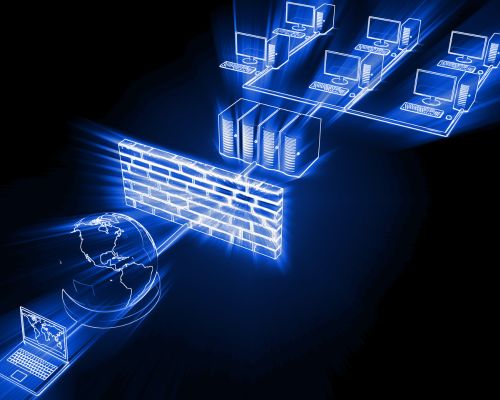
What is Firewall Optimization The importance of robust network security cannot be overstated. Firewalls stand as the first line of defense against cyber threats, making their optimization a critical task for organizations of all sizes. To effectively evaluate firewall optimization, it’s essential to focus on key performance metrics that provide insights into your network’s security posture and efficiency. In this blog post, we’ll delve into the essential metrics you should consider when evaluating firewall optimization, helping you make informed decisions to enhance your network’s security. Importance of Firewall Optimization Firewall optimization is the key to ensuring that your network remains secure, efficient, and resilient against the ever-present risks of the cyber world. In this article, we’ll explore the critical importance of firewall optimization and why it should be a top priority for organizations of all sizes. These are the items about the importance of optimization: 1. Protecting Against Evolving Threats Cyber threats are constantly evolving, and attackers are becoming more sophisticated. Firewall optimization helps ensure that your firewall is up to date with the latest threat intelligence and can effectively detect and block new attack vectors. 2. Maximizing Performance Over time, as network traffic patterns change and the volume of data increases, firewalls can become bottlenecks that slow down network operations. By optimizing firewall rules and configurations, you can maximize network performance, reduce latency, and ensure that critical applications operate without interruptions. 3. Simplifying Management Complex and convoluted firewall policies are prone to misconfigurations, which can inadvertently create security holes. Firewall optimization streamlines policies, making them easier to manage and reducing the chances of human error. 4. Regulatory Compliance Many industries are subject to strict data protection regulations. Non-compliance can result in hefty fines and damage to an organization’s reputation. Firewall optimization ensures that your firewall configurations align with these regulations, reducing compliance-related risks. 5. Cost Efficiency Unoptimized firewalls can be resource-intensive, leading to higher operational costs. By fine-tuning rules and configurations, you can optimize resource usage and potentially reduce hardware and operational expenses. Firewall Optimization KPIs 1. Throughput and Bandwidth Usage Throughput is a fundamental metric that measures the rate at which data can pass through your firewall. It’s crucial to understand your firewall’s throughput capabilities relative to your network’s bandwidth needs. If your firewall’s throughput is significantly lower than your network’s bandwidth, it could lead to bottlenecks and latency issues. Optimizing your firewall to match or exceed your network’s bandwidth requirements is essential for maintaining smooth operations. 2. Latency Latency, often referred to as network delay, is the time it takes for data to travel from the source to the destination. High latency can negatively impact user experience and productivity. When evaluating firewall optimization, consider how changes in firewall settings or configurations affect latency. Striking the right balance between security and low latency is crucial for a seamless network experience. 3. Packet Loss Packet loss occurs when data packets fail to reach their destination. It can be a sign of network congestion or firewall issues. Monitoring packet loss and identifying its source can help pinpoint optimization opportunities. Reducing packet loss can enhance the reliability and performance of your network. 4. CPU and Memory Utilization Firewalls require CPU and memory resources to inspect network traffic and apply security policies. High CPU or memory utilization can lead to performance degradation and potentially impact the firewall’s ability to handle traffic spikes. Continuously monitoring these metrics allows you to allocate resources efficiently and optimize firewall performance. 5. Connection and Session Counts Firewalls manage connections and sessions between devices on your network and external resources. Tracking connection and session counts can help identify patterns and anomalies in network traffic. Unusual spikes in connection counts may indicate a DDoS (Distributed Denial of Service) attack or other malicious activity. Optimizing firewall rules and policies can mitigate these threats while maintaining legitimate traffic flow. 6. Security Policy Violations One of the primary functions of a firewall is enforcing security policies. Metrics related to security policy violations, such as the number of blocked or allowed traffic, can provide valuable insights into your network’s security posture. Regularly reviewing and fine-tuning security policies can help optimize the firewall’s effectiveness in blocking malicious traffic. 7. Intrusion Detection/Prevention System (IDS/IPS) Alerts Many modern firewalls incorporate IDS/IPS features to detect and prevent network intrusions. Monitoring the number and severity of IDS/IPS alerts can help gauge the effectiveness of your firewall’s threat detection capabilities. Optimizing the IDS/IPS rules and configurations can reduce false positives and ensure that genuine threats are promptly addressed. 8. VPN Performance Virtual Private Networks (VPNs) are essential for secure remote access to corporate networks. Evaluating VPN performance metrics, such as connection establishment times and data transfer rates, is crucial to ensure that remote users experience seamless connectivity. Optimizing VPN configurations and firewall rules can enhance remote access capabilities while maintaining security. 9. Application Layer Performance Firewalls often include application layer inspection and control features. Monitoring the performance of these features, especially for business-critical applications, is vital. Evaluate metrics related to application layer throughput, response times, and bandwidth utilization. Optimizing application-specific rules can improve the user experience while maintaining security. 10. Threat Detection and Response Time Intrusions and cyber threats can have severe consequences for your network’s security. Measure the firewall’s ability to detect and respond to threats promptly. Evaluate metrics related to threat detection time, alert prioritization, and incident response. Effective threat detection and rapid response are crucial for minimizing the potential damage from security breaches. 11. Rule and Policy Complexity Over time, firewall rules and policies can become complex and convoluted. Complexity can lead to performance bottlenecks and increased management overhead. Regularly reviewing and optimizing firewall rules and policies by removing redundant or unnecessary rules can streamline firewall operations and improve performance. 12. User Feedback and Experience End-user feedback is a valuable source of information when evaluating firewall optimization. Pay attention to user complaints about slow network access, blocked applications, or other issues. Actively address user concerns and use their feedback to fine-tune firewall configurations. To sum
Firewall Rule Best Practices to Protect Your Network

The importance of cybersecurity cannot be overstated. Cyber threats are constantly evolving, and as a result, safeguarding your network and data is paramount. One of the key tools in your cybersecurity arsenal is the firewall, a barrier that stands between your network and potential threats from the internet. To maximize the effectiveness of your firewall, it’s crucial to implement firewall rule. best practices. In this blog post, we’ll explore these practices in detail, ensuring that your network remains secure and resilient. 1. Understand Your Network’s Needs Before diving into firewall rule configuration, take the time to thoroughly understand your network’s requirements. This means identifying what services and applications your organization relies on and which are accessible from the internet. A well-defined understanding of your network’s needs will help you create rules that strike the right balance between security and functionality. 2. Implement the Principle of Least Privilege The principle of least privilege is a fundamental concept in cybersecurity. It dictates that individuals or systems should only be granted the minimum level of access or permissions necessary to perform their tasks. Apply this principle to your firewall rules by granting access only to what is absolutely necessary. Avoid overly permissive rules, as they can open the door to potential security breaches. 3. Keep Rules Simple and Organized Firewall rule management can quickly become complex, especially in large networks. To maintain clarity and ease of management, keep your rules simple and well-organized. Use clear naming conventions, group rules logically, and document their purpose. This will make it easier to troubleshoot issues and review rule sets for compliance with your network’s needs. 4. Regularly Review and Update Rules Firewall rules are not set-and-forget; they require regular review and updates to remain effective. As your network evolves, so should your rules. Perform periodic reviews to ensure rules align with your current needs and security policies. Remove obsolete rules that are no longer necessary to reduce the attack surface. 5. Prioritize Rule Order Firewall rules are evaluated in order, and the first matching rule is applied. Therefore, rule order is critical. Place the most restrictive and specific rules at the top of your rule set to block potential threats early. This prevents unnecessary rule processing and improves performance. 6. Log and Monitor Rule Activity Logging and monitoring firewall rule activity is essential for detecting and responding to security incidents. Configure your firewall to log relevant events and regularly review these logs. Consider implementing a SIEM (Security Information and Event Management) system to centralize log analysis and improve incident detection capabilities. 7. Use Application Layer Filtering Traditional firewall rules are based on IP addresses and ports, but modern threats often exploit application-level vulnerabilities. Implement application layer filtering to inspect traffic at the application level, allowing you to block specific applications or protocols known to be risky. 8. Employ Intrusion Detection and Prevention Intrusion Detection Systems (IDS) and Intrusion Prevention Systems (IPS) work in conjunction with firewalls to identify and respond to suspicious network activity. By implementing these technologies, you can proactively protect your network from a wide range of threats, including zero-day attacks. 9. Regularly Test Rules Regularly testing your firewall rules is crucial to ensure they are functioning as intended. Conduct penetration tests and vulnerability assessments to identify weaknesses and vulnerabilities in your network’s security posture. Adjust rules accordingly based on the results of these tests. 10. Implement Geo-IP Filtering Geo-IP filtering is an effective strategy to block traffic from specific geographic regions known for hosting malicious activities. By restricting access to and from certain countries or regions, you can significantly reduce your exposure to threats originating from those areas. 11. Plan for Redundancy Firewalls can fail, and when they do, it’s essential to have a backup plan in place. Implement firewall redundancy by deploying multiple firewalls in a high-availability configuration. This ensures uninterrupted network security even if one firewall experiences an issue. 12. Educate Your Team Firewall rule best practices extend beyond the technical aspects; they also involve your team’s awareness and understanding of these rules. Educate your employees about the importance of following security policies and best practices. Encourage them to report any unusual network activity promptly. 13. Document Everything Maintain thorough documentation of your firewall rules and configurations. Documenting changes, rule reasoning, and incident responses will prove invaluable during audits, troubleshooting, and rule management. It also facilitates knowledge transfer among your IT team members. 14. Stay Informed About Threats Cyber threats are constantly evolving, so staying informed is crucial. Subscribe to threat intelligence feeds, follow industry news, and participate in cybersecurity communities to keep up with the latest threats and vulnerabilities. Use this knowledge to adapt your firewall rules accordingly. 15. Consider a Managed Firewall Service If managing firewall rules becomes overwhelming, consider outsourcing the task to a managed firewall service provider. These experts can help you stay on top of the latest threats and ensure your firewall rules are always up to date. In conclusion, firewall rule best practices are essential for safeguarding your network from an ever-expanding array of cyber threats. By understanding your network’s needs, following the principle of least privilege, and employing the other best practices outlined in this article, you can create a robust firewall rule set that balances security and functionality. Remember that cybersecurity is an ongoing effort, and regularly reviewing, testing, and updating your firewall rules is key to maintaining a strong defense against modern threats. Stay vigilant, stay informed, and protect your network with precision.
Enhancing Cybersecurity in Finance: The Crucial Role of Firewall Policy Generation

Today, the financial sector is facing an unprecedented challenge – the relentless onslaught of cyber threats. Financial institutions are prime targets for cybercriminals due to the sensitive nature of the data they handle. To protect their assets and sensitive information, these organizations employ a multi-layered approach to cybersecurity, with firewall policies at the forefront. In this blog post, we’ll delve into the intricacies of firewall policy generation in finance, exploring why it’s essential and how it’s done effectively. The Importance of Firewall Policy Generation in Finance Firewalls act as digital sentinels, standing guard at the gates of financial institutions’ networks. Their primary purpose is to monitor and filter incoming and outgoing network traffic, deciding which data packets are safe to pass through and which should be blocked. Effective firewall policies are vital in finance for several reasons: 1. Protecting Sensitive Data Financial organizations handle a trove of sensitive data, including customer financial records, personal information, and transaction histories. A well-crafted firewall policy ensures that this data remains secure by permitting access only to authorized personnel and systems. 2. Regulatory Compliance The financial sector is heavily regulated, with strict compliance requirements such as the Payment Card Industry Data Security Standard (PCI DSS) and the Gramm-Leach-Bliley Act (GLBA). Adhering to these regulations is mandatory, and firewall policies play a critical role in meeting these compliance requirements. 3. Defense Against Cyber Threats Cyber threats in the financial sector are diverse and relentless, including malware, phishing attacks, and DDoS attacks. A robust firewall policy helps in identifying and mitigating these threats, safeguarding the integrity of financial operations. The Firewall Policy Generation Process Creating an effective firewall policy in the finance sector is a meticulous process that involves several stages. Here’s a breakdown of the key steps: 1. Identify Network Assets Before crafting firewall policies, it’s crucial to identify all network assets, including servers, workstations, databases, and third-party applications. Each asset needs to be categorized based on its importance and the level of security required. 2. Define Access Control Rules Access control rules specify who can access specific resources and what actions are permitted. In finance, these rules are often role-based, ensuring that only authorized users can access sensitive financial data. Considerations should include role hierarchies and the principle of least privilege. 3. Prioritize Applications Financial organizations rely on a multitude of applications. Firewall policies should prioritize critical applications like online banking systems, trading platforms, and customer databases. This ensures uninterrupted access to vital services while enforcing strict controls on less critical applications. 4. Implement Intrusion Prevention Systems (IPS) Intrusion Prevention Systems (IPS) work alongside firewalls to detect and respond to potential threats in real-time. These systems use predefined signatures and behavioral analysis to identify suspicious activity. A robust firewall policy should include IPS rules to enhance security. 5. Regularly Update Policies Cyber threats are continually evolving, and so should firewall policies. Regular updates are essential to adapt to emerging threats, software updates, and changes in network configurations. 6. Test Policies Thorough testing is a critical aspect of firewall policy generation. It involves simulating various attack scenarios to ensure that the policies effectively prevent unauthorized access and protect against potential threats. 7. Monitor and Analyze Traffic Continuous monitoring and traffic analysis are essential to detect anomalies and potential breaches. Security Information and Event Management (SIEM) tools can be integrated with firewalls to provide real-time visibility into network traffic. 8. Incident Response Planning Despite robust preventive measures, security incidents can still occur. Financial institutions must have a well-defined incident response plan that outlines procedures for identifying, containing, and mitigating security breaches. Challenges in Firewall Policy Generation for Finance Generating effective firewall policies for the finance sector comes with its own set of challenges: 1. Balancing Security and Accessibility Financial institutions need to strike a delicate balance between ensuring security and providing seamless services to customers. Overly restrictive policies can hinder customer access, while overly permissive policies can compromise security. 2. Evolving Threat Landscape The threat landscape in finance is constantly evolving. New vulnerabilities and attack vectors emerge regularly, requiring financial organizations to stay vigilant and adapt their firewall policies accordingly. 3. Compliance Complexities Meeting regulatory compliance requirements is a complex task. Firewall policies must align with these regulations, and any deviation can result in severe penalties and reputational damage. 4. Scalability As financial organizations grow, their networks expand. Firewall policies must be scalable to accommodate new assets and services without compromising security. In the financial sector, where the stakes are high and the threats are relentless, firewall policy generation is a mission-critical endeavor. By carefully identifying assets, defining access controls, and continuously adapting to the evolving threat landscape, financial institutions can fortify their defenses and protect sensitive data. Effective firewall policies not only safeguard the organization’s reputation and assets but also foster trust among customers, partners, and regulators. In an age where cybersecurity is paramount, the process of firewall policy generation in finance stands as a robust defense against the ever-present threat of cyberattacks.
Firewall Management Challenges in Different Organizations
Firewalls are among the first lines of defense against cyber threats. Thus, keeping malicious traffic away from sensitive data is their job. From small IT teams in startups to large teams handling complex enterprise networks, solving the firewall management problems is an ongoing challenge for organizations of all sizes. The players who walk into the rotary mill of configuring, monitoring, and updating firewalls seldom pose threat to this challenge; rather, the firewalls become a challenge to these players in such an environment of evergreen network traffic. This blog shall look at what makes the firewall management give rise to challenges; from the lens of small IT teams up to the large ones. We shall also discuss different strategies and tools to help all the considered firms-from power startups to mighty enterprises in all sectors-to run firewalls efficiently to protect their networks. And we will talk about how this industry-and others, such as healthcare, finance, manufacturing, and retail-may choose to adapt it for their unique security requirements. Understanding the Complexity of Firewall ManagementFirewall’s work for protection. They examine the traffic that enters and leaves the network under predetermined rules. Unfortunately, device management is very challenging. After several iterations of rule crafting and complex configurations, it requires continuous monitoring and refreshing and patching in case of vulnerability. In both small and large teams, the work of keeping and optimizing these devices could pose and pose greater challenges. In smaller IT teams, there are complexities because personnel must juggle several tasks. Most times, small IT teams are expected to simultaneously work in all domains, such as network maintenance, hardware troubleshooting, application monitoring, and firewall management. This often backfires, and firewall security will take second place, creating avenues for vulnerabilities and misconfigurations. Also, smaller teams mean fewer resources and less expertise in being able to respond to every firewall-related issue, which can create security gaps. For larger IT teams, the other scale of difficulties in firewall management looks upon the huge volume produced while managing firewalls of several locations, departments, or even countries. Enterprise networks typically present numerous firewalls, security devices, and network configurations, so centralized management and coordination would be key. The larger environments also present the need to counteract traffic in bulk, against layered or complex threat surfaces, and to enforce security policies through disparate teams and departments. The Problems of Managing Firewalls for Small IT Teams Resource constraints represent a pain point for some small IT teams. These teams are often tasked with managing hardware, software deployment, troubleshooting, and network security: all critical areas. Therefore, these multiple priorities may affect firewall management activities. Some firewall management-specific challenges small IT teams confront include the following: The Challenges of Firewall Management for Large IT Teams and Enterprises On the other end of the spectrum, large IT teams in enterprise-level organizations face their own set of challenges in managing firewalls. While they may have more personnel and resources, the scale and complexity of their networks introduce unique issues that need to be addressed. Here are some of the challenges faced by larger IT teams: Firewall Management Strategies to Be Successful Using some strategies and advanced tools, firewall management will not seem so difficult, even with use in small and large IT resource teams. The right strategies combined with advanced technology can streamline firewall management in organizations, consequently lowering risk and improving their overall cybersecurity posture. Instead, for the larger team or enterprises, automation will cut down the hassle of managing many firewalls across distributed networks. Automated solutions can also allow centralized management, creating a uniform application of policies while reducing potential misconfiguration. The ability to identify possible threats and stop malicious activity without continuous manual intervention has been served by tools like automated rule deployment and real-time traffic analysis. Automated report generation may also benefit compliance by keeping security policies perpetually current. For small teams, it may mean investing in one or two additional training sessions for an important team member who can become the team’s firewall management guru. Within bigger teams, knowledge sharing is important for the benefit of the entire group to ensure good management of firewalls. Training should ideally cover more than just the fundamentals of creating and monitoring rules on firewalls, but also emerging threats and new firewall technologies. Upskilling your team would mean that firewalls will always be correctly configured and that vulnerabilities are soon addressed. For big companies, MSSPs can provide additional support for firewall management and monitoring at multiple locations in a complementing manner with internal teams. On the other hand, MSSPs can help achieve compliance with regional regulations and security standards, hence reducing the burden for in-house IT teams. NGFWs implementation can also be simpler for smaller to large teams, as these devices usually have pre-configured security rules and advanced capabilities to detect threats, thus eliminating the complexity of manual rule creation and further adjustments. These situations would permit NGFWs to be of value in industries such as healthcare and finance, by boosting visibility on traffic within the network and creating tighter control with which access may be granted. This type of centralized management would increase compliance since IT personnel would ensure proper commitment of all organizational firewalls to regulations. This situation becomes important when compliance becomes a critical issue, such as in finance and health. Auditing can help larger teams identify inconsistent applications of rules across departments or network locations so that the firewalls are managed uniformly. To draw a large enterprise, a cloud-based firewall complements the benefits of centralized management by enabling companies to manage and monitor firewalls over multi-locations and units from a central platform. Cooperation across departments and areas is of great importance in very large enterprises to manage their multifaceted firewall systems and to assure that the security policies are consistently applied across the organization. Firewall management is the backbone of a successful cyber secure business, irrespective of its size. From small startups to large conglomerates, managing firewalls requires a good blend of expertise, automation, and coordination. Organizations can strategize
Streamlining Security: Next-Gen Firewalls Alleviating Operational Load Through Minimum Rights Principle

Maintaining a robust defense against an array of threats is paramount. Firewalls have long stood as stalwart guardians, protecting networks from unauthorized access and malicious activities. However, their operation load on teams, coupled with the principle of least privilege, has driven the need for innovative solutions like next-generation firewalls (NGFWs). The Operation Load Dilemma and the Minimum Rights Principle In the world of cybersecurity, firewalls are akin to sentinels guarding the gates of a fortress. Their role is to regulate incoming and outgoing network traffic, acting as a barrier that filters out potentially harmful data. Traditionally, managing firewalls was a labor-intensive task, with security teams manually configuring and updating rules. This operation load often led to stretched resources, delayed responses, and potential human errors. Enter the “Minimum Rights Principle.” This concept revolves around restricting users’ access to only the essential resources necessary for their roles. In the context of firewalls, it translates to granting users the minimum privileges required to perform their tasks. While this principle enhances security by minimizing the attack surface, it also creates an operational challenge. Security teams often find themselves burdened with requests for elevated privileges, leading to slower processes, reduced agility, and potential bottlenecks in operations. The Need for Adaptive Solutions: Next-Generation Firewalls As organizations grapple with the operational load caused by the minimum rights principle, the cybersecurity landscape has responded with a solution that combines efficacy and agility: Next-Generation Firewalls (NGFWs). **1. Intelligent Automation: NGFWs leverage intelligent automation to streamline firewall management. With features like auto-updating rule sets and real-time threat intelligence integration, security teams can focus on higher-value tasks instead of manual rule configuration. **2. Role-Based Access Control (RBAC): NGFWs implement RBAC to align with the minimum rights principle. This empowers security teams to delegate specific firewall administration tasks to appropriate personnel, reducing the operational load on a single team and ensuring consistent policy enforcement. **3. Application Visibility and Control: Traditional firewalls often lacked the granularity to distinguish between different applications within network traffic. NGFWs, on the other hand, can identify and control applications down to a granular level, allowing teams to set policies based on application-specific behavior. **4. Intrusion Prevention Systems (IPS): NGFWs enhance threat detection by incorporating IPS capabilities. This proactive approach identifies and prevents malicious activities before they breach the network, relieving security teams of constant vigilance. **5. Threat Intelligence Integration: The cybersecurity landscape is characterized by rapidly evolving threats. NGFWs integrate threat intelligence feeds, providing security teams with real-time data on emerging threats. This enables them to make informed decisions swiftly. Installing New Firewalls: A Pragmatic Approach In the journey toward a more efficient security landscape, the question arises: When is the right time to install new firewalls? The answer lies in a pragmatic approach that balances security needs with operational efficiency. **1. Risk Assessment: Begin by conducting a comprehensive risk assessment. Identify critical assets, potential vulnerabilities, and the impact of a breach. This assessment will guide the decision-making process. **2. Scalability: As organizations grow, so does the network complexity. Install new firewalls when existing ones become overburdened or when network expansion necessitates additional protection layers. **3. Technology Refresh: Just as technology advances, so do threats. Install new firewalls to leverage the latest security features, threat intelligence integration, and automation capabilities. **4. Regulatory Compliance: If your industry is subject to regulatory requirements, installing new firewalls may be necessary to adhere to updated compliance standards. **5. Incident Analysis: If recent incidents or breaches have exposed vulnerabilities in your current firewall setup, consider installing new firewalls that offer enhanced protection against similar attack vectors. The Evolution of Next-Generation Firewall Features NGFWs have evolved to offer a myriad of features that not only address the operational load but also empower security teams to proactively safeguard networks. **1. Advanced Threat Detection: NGFWs go beyond traditional signature-based detection by employing behavior analysis and machine learning algorithms. This enables them to identify previously unknown threats with a higher degree of accuracy. **2. SSL Inspection: Cybercriminals often exploit encrypted traffic to bypass traditional defenses. NGFWs include SSL inspection capabilities to decrypt, inspect, and re-encrypt traffic, ensuring malicious activities are not concealed within encrypted channels. **3. User Identity Awareness: NGFWs can tie network activity to specific user identities, facilitating more precise access controls and aiding in incident response and forensic analysis. **4. Sandboxing: Many NGFWs feature integrated sandboxing, which isolates suspicious files in a controlled environment to analyze their behavior. This prevents potential threats from infiltrating the network. **5. Zero-Day Attack Prevention: NGFWs employ threat intelligence and behavioral analysis to identify and thwart zero-day attacks—exploits that target previously unknown vulnerabilities. As the digital landscape continues to evolve, the operational load on security teams due to the minimum rights principle necessitates innovative solutions. Next-generation firewalls have emerged as a powerful answer to this challenge. With intelligent automation, role-based access control, and a diverse array of features, NGFWs not only alleviate the operational burden but also enhance the organization’s cybersecurity posture. By implementing NGFWs strategically, organizations can strike a balance between security and operational efficiency, ensuring a proactive defense against an ever-evolving threat landscape.
Navigating the Implications of a Firewall Policy Change

Organizations are constantly seeking ways to fortify their cybersecurity defenses. One critical aspect of safeguarding digital assets is the implementation of firewall policies. However, a firewall policy change is not a decision to be taken lightly. This blog post delves into the far-reaching implications of a firewall change, exploring its impact on security, network performance, compliance, and user experience. The Importance of Firewall Policies Firewall policies act as the first line of defense against cyber threats by controlling and regulating incoming and outgoing network traffic. They define rules that determine which data packets are allowed or denied entry, effectively creating a barrier between the internal network and the outside world. A firewall policy change is a strategic move that can significantly impact an organization’s digital security posture. One of the primary drivers for a firewall policy change is to bolster security measures. An updated policy can better align with the latest threat landscape, ensuring that the organization remains resilient against emerging cyber threats. By fine-tuning access controls and blocking potentially malicious traffic, a firewall change can help prevent unauthorized access and data breaches. While security is paramount, a firewall policy change can also influence network performance. Striking the right balance between stringent security measures and smooth data flow is essential. Improperly configured policies could lead to bottlenecks and latency issues. Conversely, a well-executed policy change can optimize network performance, enabling seamless data transmission without compromising security. Many industries are subject to stringent compliance regulations governing data protection and privacy. A firewall policy change must be executed in a manner that aligns with these regulations. Failing to do so could result in legal repercussions, fines, and reputational damage. By considering compliance requirements during the policy change, organizations can ensure they remain in good standing with relevant authorities. End-users play a pivotal role in an organization’s success. A firewall policy change can impact their experience by influencing the accessibility of resources. It’s crucial to strike a balance between safeguarding data and ensuring that legitimate users can access the necessary applications and services without unnecessary barriers. Properly communicating changes to users and providing support can mitigate potential frustrations. The journey doesn’t end with the implementation of a firewall policy change. Continuous monitoring and analysis are essential to evaluate the policy’s effectiveness. Real-time monitoring allows organizations to identify anomalies, detect potential breaches, and make necessary adjustments promptly. Regular assessments also enable the adaptation of policies to match evolving cybersecurity threats. Assessing Potential Risks in a Firewall Policy Change Before embarking on a firewall policy change, organizations must engage in a comprehensive risk assessment to identify, analyze, and mitigate potential vulnerabilities and threats. This critical phase ensures that the policy change addresses existing security gaps while minimizing the introduction of new risks. The risk assessment process involves a systematic examination of the organization’s network infrastructure, applications, and data flow. It begins by identifying assets that require protection, such as sensitive databases, proprietary software, or customer information. Subsequently, a thorough analysis of potential threats, ranging from malware and hacking attempts to unauthorized access, is conducted. By assessing the likelihood of these threats and their potential impact, organizations can prioritize their efforts and allocate resources effectively. Moreover, the assessment takes into account historical attack patterns, industry-specific risks, and the organization’s risk tolerance to create a comprehensive risk profile. In addition to external threats, a robust risk assessment evaluates internal factors that might be exacerbated by a firewall policy change. These internal factors include user behavior, employee access levels, and potential misconfigurations. For instance, if a policy change restricts access to a critical application without considering the needs of authorized users, it could lead to workflow disruptions and frustration. By thoroughly analyzing such factors, organizations can tailor their policy changes to strike the right balance between heightened security and seamless functionality. Ultimately, a well-executed risk assessment serves as a roadmap for a successful firewall change, ensuring that potential risks are not only identified but also proactively mitigated. In conclusion, a firewall policy change is a multifaceted decision that carries significant implications for an organization’s cybersecurity posture, network performance, compliance, and user experience. Striking the right balance between these factors requires meticulous planning, careful execution, and continuous monitoring. By considering the broader implications and aligning the policy change with the organization’s strategic goals, an organization can enhance its security, protect its digital assets, and ensure a seamless user experience in today’s dynamic digital landscape.
The Impact of Firewall Rules on Network Performance and Latency
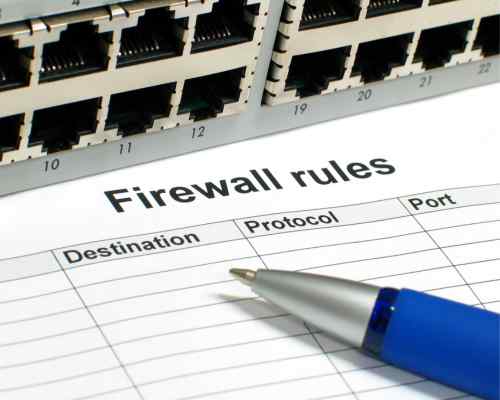
In the ever-evolving landscape of cybersecurity, firewall rules stand as crucial safeguards protecting networks from potential threats and unauthorized access. These rules define the boundaries of network traffic, determining what is allowed and what is blocked. While their role in ensuring security is undeniable, it’s essential to understand the delicate balance between robust protection and potential implications on network performance and latency. In this blog post, we delve into the world of firewall rules, examining how they can affect network performance and latency, and provide insights into optimizing their configuration. The Firewall Rules Primer Firewall rules serve as the gatekeepers of network traffic, operating at the perimeter of a network or at the device level. They make decisions based on predefined criteria, such as source and destination IP addresses, port numbers, and protocols. By enforcing these rules, firewalls ensure that only legitimate and authorized traffic is allowed to pass through, while malicious or unauthorized requests are denied. Impact on Network Performance While rules play a crucial role in network security, they can also introduce performance considerations. Each packet of data passing through a firewall must be inspected against the defined rules, which involves a certain amount of processing. This inspection process can lead to increased CPU utilization and potentially impact overall network performance. Processing Overhead: Firewall rules introduce an additional layer of processing that can lead to increased CPU utilization. In scenarios where firewalls are handling a large volume of traffic or complex rule sets, this overhead can become a significant factor affecting overall network performance. Throughput Limitations: As firewalls analyze each packet against their rule set, they can inadvertently become bottlenecks for data transmission. This can be particularly noticeable in high-traffic environments, where the firewall’s processing capacity might limit the network’s overall throughput. Impact on Latency Latency, often referred to as the delay in data transmission, is another aspect influenced by firewall rules. The inspection and decision-making process that rules entail can introduce a certain level of delay, impacting the time it takes for data to travel from source to destination. Packet Inspection Time: Firewall rules require each packet to be inspected before allowing or blocking it. This inspection process, while quick, can accumulate and result in a slight delay, particularly for real-time applications like video conferencing or online gaming. Rule Complexity: Complex rules that involve deep packet inspection or application-level filtering can contribute to increased latency. These rules require more processing time to analyze and make decisions, potentially leading to noticeable delays in data transmission. Optimizing Firewall Rules for Performance and Latency While the potential impact of firewall rules on network performance and latency exists, there are strategies to optimize their configuration to mitigate these effects. Rule Review and Cleanup: Regularly review and update rules to remove outdated or redundant entries. Simplifying the rule set can improve processing efficiency and reduce latency. Rule Prioritization: Arrange firewall rules in order of importance, with frequently used and essential rules placed at the top. This can streamline the decision-making process and reduce latency for critical traffic. Hardware Acceleration: Consider using firewalls with hardware acceleration capabilities, which can offload processing tasks from the CPU and reduce the impact on network performance. Packet Offloading: Some modern network interfaces and operating systems support packet offloading, which can help reduce the CPU overhead associated with processing firewall rules. Application Awareness: Implement application-specific firewall rules that target specific applications or services. This approach can reduce the need for deep packet inspection and improve overall performance. Firewall rules are integral components of a robust cybersecurity strategy, safeguarding networks against a myriad of threats. However, it’s important to recognize that these rules can introduce considerations for network performance and latency. By understanding the potential impacts and implementing optimization strategies, organizations can strike a balance between stringent security and efficient network operations. As technology continues to advance, the evolution of firewall solutions will likely bring further innovations to minimize performance and latency concerns, ensuring a secure and seamless digital experience. Frequently Asked Questions 1. How do firewall rules affect network performance? Firewall rules affect network performance because every data packet must be inspected against the rule set before it is allowed or blocked. Large or complex rule sets can increase processing overhead, consume more system resources, and potentially reduce network throughput. 2. Can firewall rules increase network latency? Yes, firewall rules can introduce network latency. The inspection and decision-making process for each packet takes time, and complex rules involving deep packet inspection or application-level filtering may add noticeable delays, especially in high-traffic environments. 3. What are the best ways to optimize firewall rules? Organizations can optimize firewall rules by regularly removing redundant or outdated rules, prioritizing frequently used rules, simplifying complex rule sets, and implementing application-aware policies. These practices help improve security and enhance network performance. 4. Why is regular firewall rule review important? Regular firewall rule reviews help identify unused, conflicting, or obsolete rules that can create security risks and performance bottlenecks. Keeping the rule base clean ensures efficient traffic processing and strengthens overall network security. 5. How can organizations balance security and network performance? Organizations can balance security and performance by maintaining optimized firewall configurations, leveraging hardware acceleration, using packet offloading technologies, and continuously monitoring firewall effectiveness. This approach ensures strong protection without significantly impacting network speed or user experience.
Emerging Trends in Network Firewall Security: Ensuring Robust Protection in a Rapidly Evolving Digital Landscape
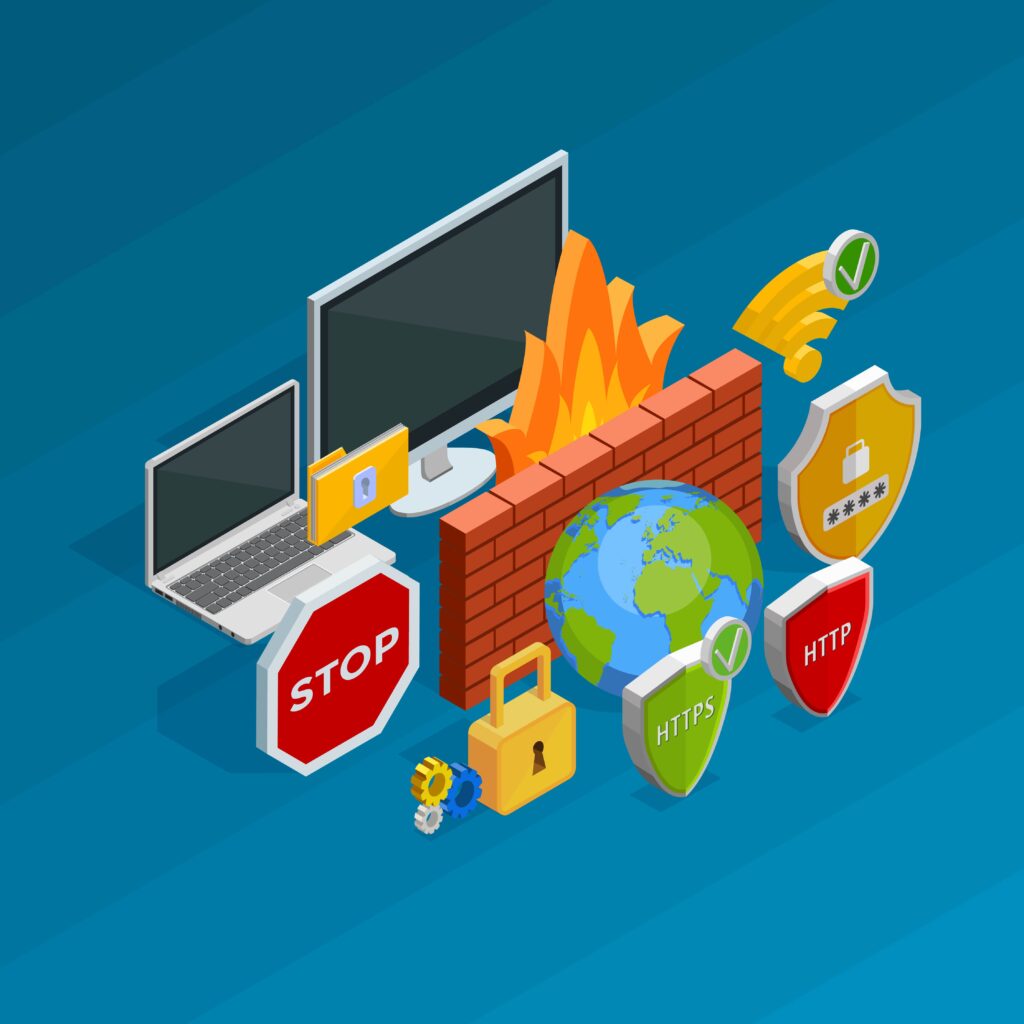
Cyber threats are becoming increasingly sophisticated, network firewall security plays a pivotal role in safeguarding organizations’ critical assets. As technology advances, so do the tactics employed by malicious actors, necessitating the adoption of emerging trends in network firewall security. In this blog post, we will explore the latest developments in this field, highlighting key strategies and techniques to ensure robust protection. Whether you’re an IT professional, business owner, or simply interested in the evolving landscape of cybersecurity, this article will provide valuable insights into the future of network firewall security. Machine Learning-Powered Firewalls: One of the most promising trends in network firewall security is the integration of machine learning algorithms. Machine learning-powered firewalls can analyze vast amounts of network data in real-time, identifying anomalies and potential threats with exceptional accuracy. By continuously learning from new data patterns, these intelligent firewalls can adapt and evolve, effectively mitigating emerging risks. Cloud-Based Firewall Solutions: With the widespread adoption of cloud services, traditional on-premises firewalls face limitations in protecting cloud-hosted applications and data. Cloud-based firewall solutions are emerging as a viable option, offering scalable, flexible, and centrally managed security for distributed environments. These solutions provide seamless integration with cloud platforms, enabling organizations to maintain consistent protection across their entire infrastructure. Next-Generation Firewall Capabilities: Next-generation firewalls (NGFWs) are evolving to encompass advanced features beyond traditional packet filtering. These advanced capabilities include intrusion prevention systems (IPS), deep packet inspection (DPI), application-level controls, and integrated threat intelligence. NGFWs enable granular control over network traffic, enhancing security posture and enabling organizations to implement sophisticated access policies. Zero Trust Network Architecture: As network perimeters dissolve with the rise of remote work and cloud adoption, the concept of Zero Trust Network Architecture gains prominence. This approach assumes no inherent trust for any user or device, enforcing strict access controls and continuous authentication. By implementing Zero Trust principles, organizations can significantly minimize the impact of security breaches and prevent lateral movement within the network. Software-Defined Networking (SDN) Integration: The convergence of network firewall security and software-defined networking (SDN) presents new opportunities for enhanced protection. SDN integration allows for dynamic traffic routing and real-time policy enforcement, improving threat response times and reducing attack surface areas. By leveraging SDN capabilities, organizations can achieve greater visibility and control over their network traffic, enhancing overall security. Threat Intelligence and Information Sharing: Network firewall security is no longer limited to individual deployments but extends to a collaborative approach. Threat intelligence platforms and information sharing initiatives enable organizations to leverage collective knowledge and stay ahead of emerging threats. By participating in threat intelligence communities, organizations can proactively identify new attack vectors, adapt their firewall configurations, and fortify their defenses. Mobile Device and IoT Firewall Security: As mobile devices and Internet of Things (IoT) devices proliferate, network firewall security must extend its protection beyond traditional endpoints. Mobile device management (MDM) solutions and dedicated firewall measures for IoT devices are gaining traction. By implementing firewalls that cater specifically to these endpoints, organizations can mitigate the risks associated with mobile and IoT-related cyber threats. As the cybersecurity landscape evolves, network firewall security must adapt to address new and emerging threats. By embracing the emerging trends we’ve discussed, organizations can bolster their defenses and safeguard critical assets. Machine learning-powered firewalls, cloud-based solutions, next-generation firewall capabilities, Zero Trust Network Architecture, SDN integration, threat intelligence sharing, and dedicated mobile/IoT firewall security are key areas to focus on. By staying informed about these developments, organizations can.
Types Of Filtering Concepts in Firewall Security

A firewall is a network security device or software that acts as a barrier between an internal network and external networks, such as the internet. It monitors and controls incoming and outgoing network traffic based on predetermined security rules. The primary purpose of a firewall security is to protect a network or computer system from unauthorized access and potential threats, such as malware, hackers, or malicious activities. Firewalls can be implemented in various forms, including hardware devices, software applications, or a combination of both. They analyze network traffic packets, inspecting the source and destination addresses, ports, protocols, and other attributes to determine whether to allow or block the traffic based on the configured rules. Firewalls can be configured to filter and block specific types of network traffic, such as certain ports or protocols, and can also provide additional security features such as intrusion detection and prevention, virtual private network (VPN) support, and logging capabilities to track and analyze network activity. By enforcing security policies and controlling network traffic, firewalls help to reduce the risk of unauthorized access, data breaches, and other cyber threats, thereby enhancing the overall security of a network or computer system. Packet filtering is a fundamental concept in firewall security. It involves examining individual network packets as they pass through a firewall and making access control decisions based on predetermined rules or policies. Here’s how packet filtering works: Packet Inspection: When a network packet arrives at the firewall, the firewall inspects the header information of the packet. This includes details such as source and destination IP addresses, port numbers, and protocol types (such as TCP or UDP). Rule Evaluation: The firewall compares the packet’s header information against a set of predefined rules or policies. These rules specify what types of traffic are allowed or blocked based on specific criteria. Access Control Decision: Based on the evaluation of the rules, the firewall makes an access control decision for the packet. The decision can be one of the following: Allow: If the packet matches an allowed rule, the firewall permits the packet to pass through and reach its destination. Block: If the packet matches a blocked rule, the firewall drops or rejects the packet, preventing it from reaching its intended destination. Default Behavior: If a packet does not match any of the defined rules, the firewall applies a default behavior. This can be either allowing or blocking the packet, depending on the firewall’s configuration. Commonly, firewalls are set to block packets that do not have a matching rule. Packet filtering can be based on various criteria, such as source and destination IP addresses, port numbers, and protocol types. For example, a firewall might have rules that allow incoming web traffic (HTTP) on port 80, but block incoming email traffic (SMTP) on port 25. Packet filtering is an effective mechanism for enforcing access control and filtering network traffic at the network layer (Layer 3) of the TCP/IP protocol stack. It helps protect against unauthorized access attempts, malicious traffic, and certain types of network-based attacks. However, it is important to properly configure and maintain packet filtering rules to avoid unintended security gaps or false positives/negatives. Apart from packet filtering, firewalls employ additional filtering mechanisms to enhance network security. Some of these mechanisms include: Proxy Filtering: Firewalls can act as proxies for specific protocols, such as HTTP or FTP. Instead of directly forwarding packets, the firewall establishes a connection with the remote server on behalf of the client. This allows the firewall to inspect and filter the content of the communication at the application layer. URL Filtering: Firewalls can implement URL filtering to control access to specific websites or categories of websites based on their URLs or domain names. This firewall security filtering mechanism helps enforce acceptable use policies, restrict access to malicious or inappropriate content, and prevent employees from visiting unauthorized websites. Content Filtering: Content filtering allows firewalls to inspect and analyze the actual content of network traffic, including web pages, email attachments, or file transfers. By using content filtering, firewalls can block or allow traffic based on predefined rules related to keywords, file types, or content categories. Malware Filtering: Firewalls can incorporate malware filtering capabilities to identify and block network traffic associated with known malware, viruses, or other malicious activities. This filtering mechanism helps protect against malware downloads or communication with malicious command-and-control servers. Deep Packet Inspection (DPI): Deep packet inspection goes beyond traditional packet filtering by examining the payload or contents of network packets at a granular level. It allows firewalls to inspect and analyze the complete packet, including the application-layer data, to detect specific patterns or behaviors associated with attacks or policy violations. Application Control: Firewalls can implement application control policies to regulate the use of specific applications or protocols. This mechanism allows organizations to enforce restrictions on applications that may pose security risks, consume excessive bandwidth, or violate compliance policies. Behavior-based Filtering: Some advanced firewalls incorporate behavior-based filtering, also known as anomaly detection. By monitoring network traffic and comparing it to normal patterns, these firewalls can identify and block suspicious or abnormal behavior that may indicate a potential attack or security breach. These additional filtering mechanisms provide firewall security with more granular control and visibility into network traffic, enabling them to enforce security policies at different layers of the network stack and mitigate various types of threats.
Firewall Misconfigurations: The Hidden Threat to Enterprise Security

Everyone knows that firewalls are the first line of defence in every modern business. They are like digital gatekeepers, keeping an eye on network traffic and keeping sensitive data safe from cyber threats. But what happens when the tool that is supposed to keep your business safe becomes a weak point? Hackers can get in through even a small mistake in your firewall settings, which can cause your system to go down and hurt your company’s reputation. We will also talk about how firewall misconfigurations happen, why they are bad, and what you can do to stop them in this blog. Read the blog ahead to learn more! Why Do Firewall Misconfigurations Matter? A Chief Information Security Officer (CISO) or IT leader is always thinking about how to protect the company. A firewall alone isn’t enough. How it is set up and kept up is what really matters. When you break a rule or forget to follow one, it can cause big problems with security and following the rules. Here are some ways that settings that aren’t set up right can hurt your business: • More Chances for Vulnerabilities and Data Breaches If you don’t set up your firewall correctly, it could create gaps in your defences. Cybercriminals can access your network via an open port or misconfigured rule. This could result in: • Unapproved access to private information• Data breaches and theft of intellectual property• Loss of money• Damage to your brand’s reputation that lasts for a long time A single small mistake in configuration can let attackers into your systems. • Stopped Business From Running Smoothly If you do not set up your firewall correctly, it might block real traffic or send it to the wrong place. This changes how your employees and customers use your systems. Outcomes:1. Less time spent working and more time spent resting2. Customers had bad experiences3. Services stopped, so money was lost In fast-paced fields, even a few minutes of downtime can hurt customer trust and business continuity. • Fines for Not Following the Rules and Regulations If your business works in a regulated field like finance, healthcare, or government, problems with your firewall can make it hard to follow the rules. If you share personal information or break privacy laws, you could be breaking rules like GDPR, HIPAA, or PCI-DSS. This can cause: • Legal problems• Loss of client trust• Damage to your reputation• Expensive fines and penalties To stay in compliance, you need to make sure that your firewalls are always set up, up to date, and being watched. • Slower Responses to Incidents and Investigations Your team needs accurate firewall settings and logs to find and stop a cyber threat when it happens. If a firewall isn’t set up correctly, it can make things much harder, slowing down response times and making the effects of an attack worse overall. When there isn’t clear and reliable data, investigations take longer and recovery is harder. During these times, losing time can make things worse and lead to longer downtime. How to Keep Firewall Settings from Going Wrong? A proactive approach is the first step in keeping your business safe. Instead of waiting for something to go wrong, set up a system that makes it less likely that things will be set up wrong in the first place. This is how to do it. • Do Regular Audits and Risk Assessments Make firewall audits a part of your regular cybersecurity routine. Regular checks can find old rules, extra permissions, and possible misconfigurations before they become security holes. Do these audits and detailed risk assessments to see how any mistake could hurt your business. This proactive approach helps fix problems before hackers can take advantage of them. • Make Firewall Policy Management Central Things don’t always work right when you have to manage more than one firewall by hand. A centralised management platform can do a lot. It shows you all of your organisation’s firewall rules in one place, which helps make sure that everything is correct and follows the rules. Automation tools can also help by:• Making sure that policies are always followed• Speeding up the process of updating and approving policies• Reducing the number of mistakes made by hand• Making sure that all systems follow the rules Centralised management saves time and keeps your security strong. • Use Tools for Continuous Monitoring and Detection You can’t just put up a firewall and forget about it. Tools that always watch things and intrusion detection systems can help you see suspicious activity as it happens. If your team has the right alerts set up, they can quickly find and fix problems before a breach or misconfiguration causes a lot of damage. • Teach and Train Your IT Staff One of the main reasons firewalls don’t work is that people make mistakes when they set them up. If you train your IT and security teams on a regular basis, they will always know about the newest best practices, technologies, and cyber threats. Not only does encouraging people to keep learning help them do their jobs better, but it also makes everyone in your company more aware of security issues. Making a Better Firewall Plan for the Future Even though it may seem like a small technical problem, a firewall that is not set up right can have big effects. The risks are too big to ignore, like losing money, having your system go down, or breaking the law. A firewall that is well-managed is more than just a tool; it is an important part of your plan to keep your computer safe. You can avoid expensive mistakes and keep your security strong by doing regular audits, managing everything from one place, keeping an eye on everything all the time, and training your teams well. Our main goal at Opinnate is to help businesses make their networks safer by managing firewalls in a way that is based on compliance, visibility, and automation. Take action today