


Blog Overview
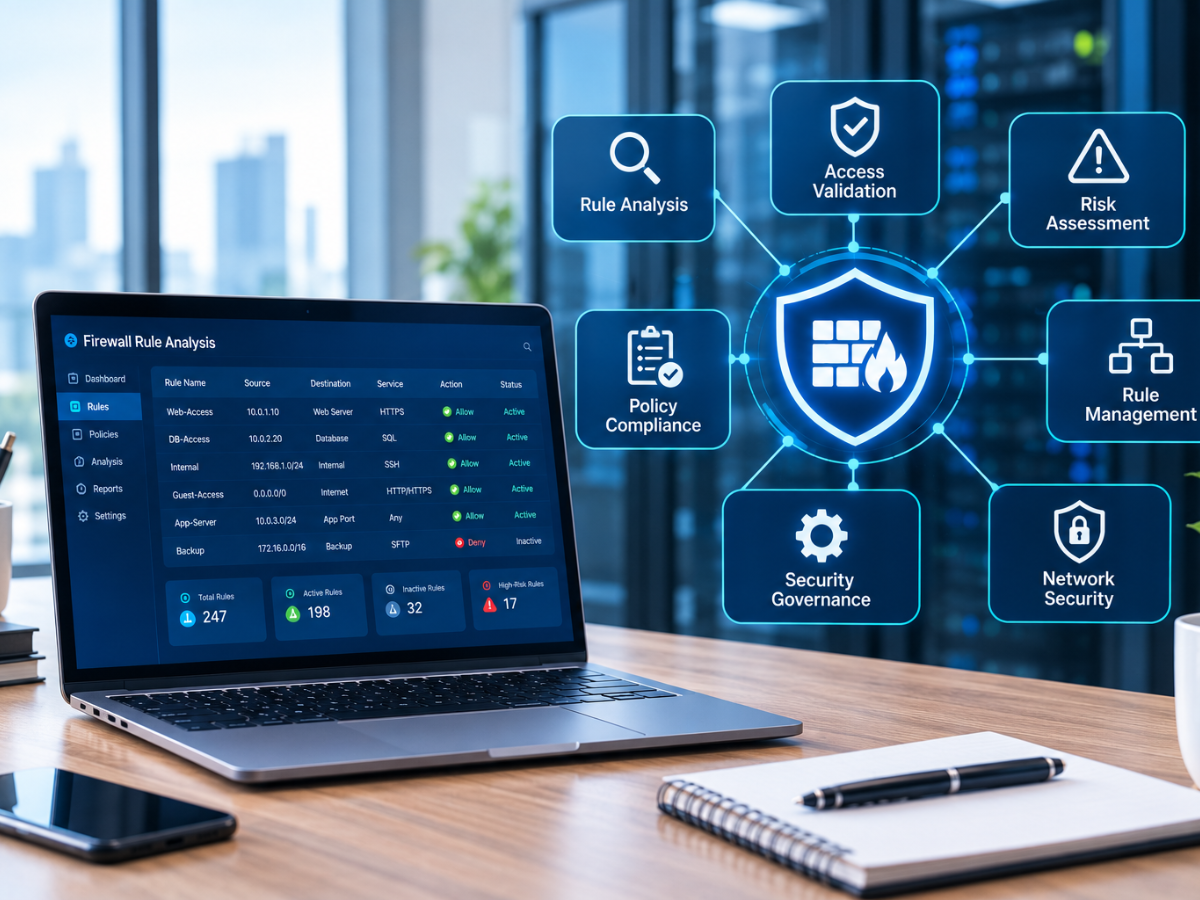
Businesses rely on firewalls to protect customer information, payment systems, employee devices, and cloud applications. However, many hidden risks remain unnoticed for months because traditional security checks are not enough anymore. Continuous monitoring and regular reviews help businesses stay ahead of evolving cyber threats while maintaining operational efficiency.
In this blog, you will discover how hidden firewall vulnerabilities can silently impact business operations, customer trust, and data security. You will also learn why continuous monitoring matters more than one time checks and how modern businesses can strengthen protection through smarter security practices.
Understanding Hidden Firewall Risks
Many business owners assume that once a firewall is installed, their systems are fully protected. In reality, firewalls require constant monitoring and updates. Over time, businesses add new applications, remote users, payment gateways, and cloud services. Every change can create unnoticed vulnerabilities.
For example, a retail store may allow temporary remote access for an IT vendor. Months later, that access rule may still remain active without anyone noticing. This creates an open entry point for attackers. A proper cybersecurity risk assessment helps identify these hidden issues before they turn into serious problems.
Why Continuous Cybersecurity Risk Assessment Matters
Cyber threats evolve daily. Hackers continuously search for outdated firewall rules, weak access permissions, and poorly managed configurations. A yearly review is no longer enough.
Continuous assessments allow businesses to:
• Detect Misconfigurations Early
Incorrect firewall settings are one of the leading causes of data breaches. Continuous monitoring helps identify unnecessary open ports and risky permissions quickly.
• Improve Compliance and Security Standards
Businesses handling customer payments or sensitive information often need to meet security requirements. Regular network security assessments help maintain compliance while improving customer trust.
• Reduce Downtime Risks
Security incidents can interrupt sales operations, customer transactions, and online services. Proactive monitoring helps prevent costly disruptions.
Common Firewall Mistakes Businesses Overlook
Even well-managed businesses can miss small issues that create major security gaps.
• Unused Firewall Rules
Old firewall permissions often remain active after projects or employee changes. These forgotten rules create unnecessary exposure.
• Poor Firewall Policy Updates
Without proper firewall policy management, businesses may lose visibility over who has access to critical systems.
• Lack of Regular Reviews
Many companies install firewalls but fail to perform a proper firewall security audit afterward. This means hidden vulnerabilities can remain undetected for years.
Real World Security Challenges Shop Owners Face
Imagine a local retail business using cloud-based billing software, employee WiFi, customer payment systems, and online ordering platforms simultaneously. Each connection creates additional network complexity. In many cases, shop owners focus on sales growth while cybersecurity becomes an afterthought. Unfortunately, attackers know this.
For example, unsecured remote access or outdated firewall rules can allow unauthorised users to access payment systems. A continuous cybersecurity risk assessment helps businesses identify these hidden risks before they damage operations or reputation.
The Role of Network Security Policy Management
Modern businesses need more than basic firewall protection. Network security policy management services that keeps security rules organised, updated, and aligned with business goals.
This process helps businesses:
• Maintain visibility across all connected systems
• Eliminate outdated or duplicate firewall rules
• Improve response time during security incidents
• Support secure remote work and cloud applications
• Simplify future network security assessments
Strong policy management creates a cleaner and safer network environment while reducing operational confusion.
When Your Business Needs Immediate Firewall Attention
• Your Network Has Grown Quickly
Adding new devices, software, or cloud services without reviewing security policies increases hidden risks.
• Employees Work Remotely
Remote access creates additional attack surfaces that require constant monitoring.
• You Have Never Conducted a Firewall Security Audit
If your firewall has not been reviewed recently, there may already be outdated or risky configurations in place.
• Your Business Handles Customer Payment Information
Payment systems require stronger monitoring and continuous protection.
Practical Benefits beyond Cybersecurity
Strong firewall monitoring does more than prevent attacks.
Businesses often experience the following:
• Faster network performance
• Better operational reliability
• Improved customer confidence
• Reduced troubleshooting time
• Easier compliance management
This means cybersecurity investments can also improve overall business efficiency.
How to Choose the Right Security Approach
When selecting a security provider, businesses should look for expertise in cybersecurity risk assessment, firewall policy management, and network security policy management services.
A reliable partner should provide:
• Continuous monitoring
• Clear reporting and recommendations
• Regular firewall security audit services
• Scalable solutions for growing businesses
• Proactive threat detection
The goal is not only to fix problems but also to prevent them before they happen.
Final Thoughts
Cyber threats continue to evolve, and hidden firewall risks can impact businesses without warning. Continuous cybersecurity risk assessment and proactive network security assessments help businesses stay protected, efficient, and prepared for future challenges.
If you want to strengthen your business security and gain better visibility into your network environment, explore the advanced solutions available at Opinnate. Their expertise in firewall policy management and network security policy management can help businesses identify hidden risks before they become costly problems.
Frequently Asked Questions
1. What is a cybersecurity risk assessment?
A cybersecurity risk assessment identifies vulnerabilities, threats, and weaknesses within a business network to improve overall protection.
2. Why is firewall policy management important?
Firewall policy management helps businesses organise and maintain secure firewall rules while reducing unnecessary access risks.
3. How often should businesses perform network security assessments?
Businesses should conduct continuous monitoring along with regular formal assessments to stay protected against evolving threats.
4. What does a firewall security audit include?
A firewall security audit reviews firewall configurations, access permissions, outdated rules, and overall network security effectiveness.
5. Can small businesses benefit from continuous security monitoring?
Yes. Small businesses are common cyberattack targets because attackers often expect weaker security systems. Continuous monitoring helps reduce this risk significantly.