


What Happened in MGM Resorts and How Could It Have Been Prevented?

Last Sunday and ironically after a couple of weeks later from Black Hat conference, MGM where this conference held, faced a cyber security attack. After this attack company market cap decreased nearly 1 B USD and since they chose to shut all systems down including web sites and slot machines lost tens of millions revenue in 5 days. Apart from that they needed to pay a ransom which is estimated to be around 100 million USD because in a similar case this late summer Ceasers Palace Entertainment paid 30 million USD as ransom. The attack is said to be a social engineering kind vishing attack. The attacker pretented to be a person working in MGM, called the help desk and made help desk reset the password belonging to that person. And afterwards using the credentials penetrated to the system and enrcrypted or stole critical data and informed the related people about what he did or had. It was that much easy. Are you prepared for this kind of attack? Or in case of this kind of breach you also prefer to shut all systems down like MGM did? There are plenty of things to do not to face this kind of breach and I am sure most of them are already in place in MGM. Then, what is missing? First, there seems to be an authorization process and it is manual, meaning a person has the right to give or reset a password for an employee. A person can easily be deceived with social engineering tactics. If there is an authorization process in your infrastructure which is not automated already you should be more awake or have a plan to automate it. You can not trust people or system, trust and security does not coexist. If we talk about security there should be zero trust. You should have segmentation, indeed micro-segmentation in place to protect your workloads. Apart from this minimum rights principle is quite important and must be implemented for any enterprise, for example there should be no permissive or unused rules on your firewalls or only needed admin rights be used for all kind of IT accounts. Cyber security has always been an issue in IT spending budgets and generally it is tried to cut down, however if you face this kind of attack you may lose your following tens of years’ security budget in one case like MGM. It may be too late to take action afterwards.
Emerging Network Threats: Staying Ahead in the Cybersecurity Game
In the interconnected world, where businesses rely heavily on digital infrastructure, emerging network threats pose a significant challenge to cybersecurity. As technology evolves, so do the tactics and strategies of malicious actors seeking to exploit vulnerabilities. To stay ahead in the cybersecurity game, organizations must understand the landscape of emerging network threats and take proactive measures to protect their assets and data. The Ever-Changing Landscape of Network Threats Network threats come in various forms, and they continue to evolve. What was considered a formidable threat just a few years ago may now be relatively easy to mitigate, thanks to advancements in cybersecurity. Here are some of the emerging network threats that organizations should be vigilant about: 1. Zero-Day Vulnerabilities Zero-day vulnerabilities are security flaws in software or hardware that are unknown to the vendor or the public. Hackers exploit these vulnerabilities before a patch or fix is available, giving defenders zero days to respond. These threats can be particularly devastating as they often go undetected until an attack occurs. To mitigate the risk of zero-day vulnerabilities, organizations should invest in vulnerability management tools and practices that include regular system scanning and threat intelligence feeds. 2. Ransomware 2.0 Ransomware has been a menace for years, but it’s evolving. Attackers are becoming more sophisticated, using advanced encryption techniques and targeting high-value assets. Ransomware attacks are not just about encrypting data anymore; they often involve data exfiltration and the threat of public data leaks. Protecting against ransomware requires a robust backup and disaster recovery plan, employee training in recognizing phishing attempts, and a proactive approach to patching and system security. 3. Supply Chain Attacks Supply chain attacks target vulnerabilities in third-party vendors or service providers to compromise an organization’s network. These attacks have gained prominence in recent years due to the interconnected nature of business relationships and the potential for cascading security breaches. To defend against supply chain attacks, organizations should vet third-party vendors, regularly assess their security posture, and implement network segmentation to minimize the impact of a breach. 4. IoT and OT Vulnerabilities As the Internet of Things (IoT) and Operational Technology (OT) become more integrated into business operations, they introduce new attack surfaces. Insecure IoT and OT devices can be exploited to gain access to critical networks and systems. Securing IoT and OT environments requires robust access controls, regular updates and patch management, and network monitoring to detect unusual behavior. Proactive Measures to Mitigate Emerging Network Threats Understanding the nature of emerging network threats is just the first step. Organizations must also take proactive measures to mitigate these threats effectively. Here are some strategies to consider: 1. Threat Intelligence Integration Stay updated on emerging threats by integrating threat intelligence feeds into your security operations. These feeds provide real-time information about the latest vulnerabilities and attack tactics, allowing you to adjust your defenses accordingly. 2. Employee Training and Awareness Human error remains a significant factor in successful cyberattacks. Regularly train employees on cybersecurity best practices, such as recognizing phishing emails, creating strong passwords, and reporting suspicious activity promptly. 3. Patch Management Regularly update and patch software, operating systems, and firmware to address known vulnerabilities. Implementing a robust patch management process can significantly reduce the risk of falling victim to exploits. 4. Network Segmentation Segment your network to limit lateral movement in the event of a breach. This ensures that even if an attacker gains access to one part of the network, they will have a harder time moving laterally to access critical systems. 5. Zero Trust Architecture Adopt a zero trust architecture, where trust is never assumed, and verification is required from anyone trying to access resources on your network. This approach minimizes the potential attack surface and enhances security. 6. Incident Response Plan Develop and regularly test an incident response plan that outlines the steps to take in the event of a security breach. A well-prepared response can minimize damage and downtime. The Role of Emerging Technologies While emerging network threats present new challenges, emerging technologies also offer innovative solutions. Here are some technologies that can help organizations stay ahead of network threats: 1. Artificial Intelligence (AI) and Machine Learning (ML) AI and ML can analyze vast amounts of data in real-time to detect anomalies and potential threats. These technologies can automate threat detection and response, making it faster and more efficient. 2. Blockchain Blockchain technology can enhance security by providing a tamper-resistant ledger of transactions and data. It can be particularly useful in supply chain security and ensuring the integrity of critical data. 3. Multi-Factor Authentication (MFA) MFA adds an extra layer of security by requiring users to provide multiple forms of authentication before granting access. This can help prevent unauthorized access even if login credentials are compromised. Emerging network threats are a constant challenge in the ever-evolving landscape of cybersecurity. To protect their assets and data, organizations must remain vigilant, stay informed about the latest threats, and adopt proactive security measures. By integrating threat intelligence, training employees, and leveraging emerging technologies, organizations can strengthen their defenses and stay one step ahead of cyber adversaries. Remember, in the world of cybersecurity, staying ahead is not an option; it’s a necessity.
Proactive vs. Reactive Security Hardening: Understanding the Key Differences

In today’s digital landscape, cybersecurity is of paramount importance. As businesses and individuals alike rely more on technology, the risks associated with cyber threats continue to grow. To combat these threats, proactive and reactive security hardening strategies have emerged as essential components of a robust cybersecurity posture. In this blog post, we will delve into the world of proactive and reactive security hardening, exploring their key differences, and helping you understand why both are crucial for safeguarding your digital assets. Proactive Security Hardening Proactive security hardening is a preemptive approach to cybersecurity. It involves implementing security measures and best practices before any potential threats can exploit vulnerabilities. Here are some key aspects of proactive hardening: Reactive Security Hardening Reactive security hardening, on the other hand, is a response to a security incident or breach. It involves taking immediate actions to contain and mitigate the impact of an attack. Here are the key aspects of reactive hardening: Proactive vs. Reactive: Key Differences Now that we’ve explored both proactive and reactive security hardening, let’s highlight their key differences: In the ever-evolving landscape of cybersecurity, both proactive and reactive security hardening strategies are essential. Proactive measures fortify your defenses and reduce the likelihood of security breaches, while reactive measures help you respond effectively when incidents inevitably occur. To create a robust cybersecurity posture, organizations should integrate both approaches, conducting regular risk assessments, implementing preventive measures, and having a well-defined incident response plan. By striking the right balance between proactive and reactive security hardening, you can better protect your digital assets and minimize the impact of potential threats.
Network Security Assessment – A Crucial Activity

Cyber threats keep arising with sophistication and regularity, and while ensuring your network is safe is paramount, a Network Security Assessment is one of the critical steps in finding vulnerabilities in the network infrastructure. Yet a security assessment alone is not an answer to protecting your company. To protect your network effectively, a strong Network Security Policy Management (NSPM) tool with continuous monitoring, auditing, and optimization of security posture is inevitable. This blog will discuss Why a Network Security Assessment Matters and how Opinnate NSPM can help supercharge such security efforts. Network Security Assessment – What Is It? A Network Security Assessment is a thorough evaluation of your network security. At its heart, the Network Security Assessment’s main purpose is to identify vulnerabilities, assess the existing security measures against them, and come up with recommendations for improvements through actionable intelligence. A typical assessment will typically comprise some aspects: Network Mapping: Identifying all devices, users, and the network connection to have a view of the network architecture. Vulnerability Scanning: Automated tools are used to scan the network for any weakness, such as an unpatched system or outdated installation that an attacker may exploit. Penetration Testing: Code of conduct for ethical hackers who actually attempt a cyberattack to discover possible vulnerabilities, which may later be misused by malicious parties. Policies and Controls Review: This would involve assessing cer- tain existing security policies, firewall rules, and access controls against best practices. Risk Assessment: Evaluate the identified vulnerabilities and how they may be exploited. A Network Security Assessment’s major outcome is an in-depth report that provides details about the current network security, a list of vulnerabilities, and some recommended measures to mitigate these risks. Assessments have to be done on a regular basis because the threat landscape keeps changing and new vulnerabilities are being discovered all the time. Why Is a Network Security Assessment Important? Network security assessments are essential for several reasons: 1. Identifying Vulnerabilities One of the most significant advantages of a network security assessment is the ability to discover vulnerabilities before cybercriminals can exploit them. Whether it’s outdated software, misconfigured firewalls, or weak passwords, identifying these weaknesses early can save your business from costly data breaches. 2. Protecting Sensitive Data Businesses store vast amounts of sensitive data, including customer information, financial records, and proprietary business data. A successful cyberattack could compromise this data, leading to financial losses and reputational damage. A Network Security Assessment helps protect this valuable information by pinpointing weaknesses in your network security. 3. Compliance with Regulations Many industries are subject to strict regulatory standards regarding data protection and privacy. A regular Network Security Assessment ensures that your organization meets compliance requirements such as GDPR, HIPAA, and PCI-DSS. Failure to comply with these regulations can result in fines, legal consequences, and damage to your reputation. 4. Improving Incident Response By conducting a security assessment, you are better prepared to handle security incidents. You’ll have a clear understanding of potential attack vectors and how to respond in the event of a breach. A well-prepared incident response plan can help mitigate the damage caused by an attack and ensure a quicker recovery. 5. Optimizing Security Posture A Network Security Assessment is an ongoing process that helps optimize your network security posture. As new threats emerge, your security policies must evolve. Regular assessments ensure that your network remains resilient to ever-changing cyber threats. The Essence of Network Security Assessment A network security assessment is a comprehensive evaluation of an organization’s network infrastructure, policies, and practices to determine its security posture. It involves a thorough analysis of various components, including hardware, software, configurations, and user behavior. The ultimate aim is to pinpoint weaknesses and vulnerabilities that could be exploited by malicious actors, putting your organization at risk. Primary Goals and Objectives: The Role of Network Security Policy Management (NSPM) While a Network Security Assessment is a critical first step in protecting your business, it is not a one-time task. Continuous monitoring, management, and updating of security policies are equally important. This is where Network Security Policy Management (NSPM) comes into play. NSPM refers to the process of creating, managing, and enforcing security policies that govern network access, traffic filtering, firewall rules, and other security controls. It provides a structured framework for ensuring that your network remains secure and compliant with industry regulations. The goal of NSPM is to ensure that all security policies are aligned with best practices and that they are consistently enforced throughout the network. This can be a daunting task, especially for large organizations with complex network architectures. Without NSPM, it becomes difficult to track policies, audit compliance, and ensure that security measures are up-to-date. The Benefits of NSPM in Network Security How Opinnate NSPM Plays a Crucial Role in Security Assessment Interfacing Opinnate’s Network Security Policy Management (NSPM) solution as a seamless fit into the Network Security Assessment modus operandi supplies a complete analysis of your network security. Here is how the result of a network security assessment is enhanced by Opinnate NSPM: A Network Security Assessment is thus an essential step in identifying vulnerabilities and improving the security of your network. However, the assessment is just the first step. For long-term protection, you require solid Network Security Policy Management (NSPM) to continuously monitor, optimize, and enforce security policies to your network. Through automation of policy management, optimization of firewall rules, continuous monitoring, and simplified reporting for compliance, Opinnate’s NSPM solution greatly enhances network security attempts. Incorporation of Opinnate NSPM into the network security strategy leads to an assurance that the network stays resilient against threats and that at no time will there be a lapse in security posture. The killing combination of a complete Network Security Assessment and an effective NSPM solution like Opinnate will ensure that your network is secure and compliant, protecting your business, your data, and your reputation in today’s cyber threat climate.
Navigating the Firewall Reports Landscape: Challenges and Compliance Needs

Firewall reports are the unsung heroes of network security, providing a crucial insight into the traffic and activities on your network. These reports not only help in identifying security threats but also play a pivotal role in ensuring regulatory compliance. In this blog post, we will delve into the world of firewall reports, exploring the challenges associated with them and the compliance needs that organizations must address. Understanding Firewall Reports Firewall reports are comprehensive documents that log and summarize network traffic data, including information about incoming and outgoing connections, blocked and allowed traffic, and security events. They offer network administrators a real-time view of network activity, enabling them to monitor and manage security effectively. However, along with their undeniable benefits, fireports come with their fair share of challenges. Challenges in Firewall Reporting Compliance Needs Apart from the challenges, organizations must also address compliance needs when it comes to firewall reports. Compliance requirements may vary depending on the industry and location, but some common ones include: Solutions to Firewall Reporting Challenges: To overcome the challenges associated with firewall reporting, organizations can implement several solutions: In the ever-evolving landscape of network security, firewall reports are indispensable. While they come with their set of challenges, organizations can tackle them by implementing the right strategies and tools. Meeting compliance needs is equally crucial, as it ensures that your network remains secure and your organization avoids costly penalties. By addressing these challenges and compliance needs, you can harness the power of firewall reports for a safer and more secure digital environment.
Firewall Optimization and its KPIs

What is Firewall Optimization The importance of robust network security cannot be overstated. Firewalls stand as the first line of defense against cyber threats, making their optimization a critical task for organizations of all sizes. To effectively evaluate firewall optimization, it’s essential to focus on key performance metrics that provide insights into your network’s security posture and efficiency. In this blog post, we’ll delve into the essential metrics you should consider when evaluating firewall optimization, helping you make informed decisions to enhance your network’s security. Importance of Firewall Optimization Firewall optimization is the key to ensuring that your network remains secure, efficient, and resilient against the ever-present risks of the cyber world. In this article, we’ll explore the critical importance of firewall optimization and why it should be a top priority for organizations of all sizes. These are the items about the importance of optimization: 1. Protecting Against Evolving Threats Cyber threats are constantly evolving, and attackers are becoming more sophisticated. Firewall optimization helps ensure that your firewall is up to date with the latest threat intelligence and can effectively detect and block new attack vectors. 2. Maximizing Performance Over time, as network traffic patterns change and the volume of data increases, firewalls can become bottlenecks that slow down network operations. By optimizing firewall rules and configurations, you can maximize network performance, reduce latency, and ensure that critical applications operate without interruptions. 3. Simplifying Management Complex and convoluted firewall policies are prone to misconfigurations, which can inadvertently create security holes. Firewall optimization streamlines policies, making them easier to manage and reducing the chances of human error. 4. Regulatory Compliance Many industries are subject to strict data protection regulations. Non-compliance can result in hefty fines and damage to an organization’s reputation. Firewall optimization ensures that your firewall configurations align with these regulations, reducing compliance-related risks. 5. Cost Efficiency Unoptimized firewalls can be resource-intensive, leading to higher operational costs. By fine-tuning rules and configurations, you can optimize resource usage and potentially reduce hardware and operational expenses. Firewall Optimization KPIs 1. Throughput and Bandwidth Usage Throughput is a fundamental metric that measures the rate at which data can pass through your firewall. It’s crucial to understand your firewall’s throughput capabilities relative to your network’s bandwidth needs. If your firewall’s throughput is significantly lower than your network’s bandwidth, it could lead to bottlenecks and latency issues. Optimizing your firewall to match or exceed your network’s bandwidth requirements is essential for maintaining smooth operations. 2. Latency Latency, often referred to as network delay, is the time it takes for data to travel from the source to the destination. High latency can negatively impact user experience and productivity. When evaluating firewall optimization, consider how changes in firewall settings or configurations affect latency. Striking the right balance between security and low latency is crucial for a seamless network experience. 3. Packet Loss Packet loss occurs when data packets fail to reach their destination. It can be a sign of network congestion or firewall issues. Monitoring packet loss and identifying its source can help pinpoint optimization opportunities. Reducing packet loss can enhance the reliability and performance of your network. 4. CPU and Memory Utilization Firewalls require CPU and memory resources to inspect network traffic and apply security policies. High CPU or memory utilization can lead to performance degradation and potentially impact the firewall’s ability to handle traffic spikes. Continuously monitoring these metrics allows you to allocate resources efficiently and optimize firewall performance. 5. Connection and Session Counts Firewalls manage connections and sessions between devices on your network and external resources. Tracking connection and session counts can help identify patterns and anomalies in network traffic. Unusual spikes in connection counts may indicate a DDoS (Distributed Denial of Service) attack or other malicious activity. Optimizing firewall rules and policies can mitigate these threats while maintaining legitimate traffic flow. 6. Security Policy Violations One of the primary functions of a firewall is enforcing security policies. Metrics related to security policy violations, such as the number of blocked or allowed traffic, can provide valuable insights into your network’s security posture. Regularly reviewing and fine-tuning security policies can help optimize the firewall’s effectiveness in blocking malicious traffic. 7. Intrusion Detection/Prevention System (IDS/IPS) Alerts Many modern firewalls incorporate IDS/IPS features to detect and prevent network intrusions. Monitoring the number and severity of IDS/IPS alerts can help gauge the effectiveness of your firewall’s threat detection capabilities. Optimizing the IDS/IPS rules and configurations can reduce false positives and ensure that genuine threats are promptly addressed. 8. VPN Performance Virtual Private Networks (VPNs) are essential for secure remote access to corporate networks. Evaluating VPN performance metrics, such as connection establishment times and data transfer rates, is crucial to ensure that remote users experience seamless connectivity. Optimizing VPN configurations and firewall rules can enhance remote access capabilities while maintaining security. 9. Application Layer Performance Firewalls often include application layer inspection and control features. Monitoring the performance of these features, especially for business-critical applications, is vital. Evaluate metrics related to application layer throughput, response times, and bandwidth utilization. Optimizing application-specific rules can improve the user experience while maintaining security. 10. Threat Detection and Response Time Intrusions and cyber threats can have severe consequences for your network’s security. Measure the firewall’s ability to detect and respond to threats promptly. Evaluate metrics related to threat detection time, alert prioritization, and incident response. Effective threat detection and rapid response are crucial for minimizing the potential damage from security breaches. 11. Rule and Policy Complexity Over time, firewall rules and policies can become complex and convoluted. Complexity can lead to performance bottlenecks and increased management overhead. Regularly reviewing and optimizing firewall rules and policies by removing redundant or unnecessary rules can streamline firewall operations and improve performance. 12. User Feedback and Experience End-user feedback is a valuable source of information when evaluating firewall optimization. Pay attention to user complaints about slow network access, blocked applications, or other issues. Actively address user concerns and use their feedback to fine-tune firewall configurations. To sum
Maximizing Network Security with Regular Usage of a Firewall Policy Analyzer

In today’s hyperconnected world, network security is a paramount concern for businesses of all sizes. Cyber threats continue to evolve, making it essential for organizations to maintain robust security measures to protect sensitive data, customer information, and critical systems. One valuable tool that plays a crucial role in bolstering network security is the Firewall Policy Analyzer. In this blog post, we’ll delve into what a Firewall Policy Analyzer is and how its regular usage can benefit your organization’s cybersecurity posture. Understanding Firewall Policy Analyzer Before diving into the benefits of regular usage, let’s start with the basics: What exactly is a Firewall Policy Analyzer? A Firewall Policy Analyzer is a specialized software tool designed to assess, analyze, and optimize the firewall rules and policies that govern your network’s traffic flow. Firewalls serve as the first line of defense against unauthorized access, malicious attacks, and potential breaches. However, over time, the complexity of firewall policies can increase, often leading to misconfigurations, rule conflicts, and vulnerabilities that could compromise security. This is where a Policy Analyzer comes into play. The Benefits of Regular Policy Analyzer Usage How to Incorporate Regular Usage of a Firewall Policy Analyzer Now that we’ve explored the benefits, let’s discuss how to incorporate regular usage of a Firewall Policy Analyzer into your organization’s cybersecurity strategy: 1. Select the Right Firewall Policy Analyzer: Begin by choosing a Firewall Policy Analyzer tool that aligns with your organization’s needs and network environment. Evaluate the tool’s features, scalability, and compatibility with your existing firewall solutions. 2. Establish a Routine: Create a regular schedule for analyzing your firewall policies. The frequency of analysis may vary depending on your organization’s size and the rate of rule changes, but quarterly or semi-annual reviews are a good starting point. 3. Conduct Comprehensive Audits: During each analysis, conduct a comprehensive audit of your firewall policies. Identify obsolete rules, conflicts, and misconfigurations. Pay special attention to any changes made since the last review. 4. Optimize and Document: After identifying areas for improvement, optimize your firewall policies accordingly. Remove unnecessary rules, resolve conflicts, and document each change made, including the reasoning behind it. 5. Monitor and Alert: Implement real-time monitoring and alerting features if your Firewall Policy Analyzer tool supports them. This allows you to respond quickly to emerging threats or anomalies in network traffic. 6. Employee Training: Ensure that your IT and security teams are proficient in using the Firewall Policy Analyzer tool. Provide training as needed to maximize its effectiveness in your organization’s security strategy. 7. Continuous Improvement: As cyber threats evolve and your organization grows, continue to refine and adapt your firewall policies. Regularly review and update your Firewall Policy Analyzer tool to keep it current and effective. In an age where cybersecurity threats are constantly evolving, organizations cannot afford to be complacent. A Firewall Policy Analyzer is a valuable asset in maintaining a robust security posture. By incorporating regular usage into your cybersecurity strategy, you can benefit from enhanced security, optimized firewall performance, and improved compliance adherence. Don’t wait until a security incident occurs to take action – start using a Policy Analyzer today to protect your network and data proactively. Regular vigilance is the key to staying one step ahead of cyber threats and ensuring the long-term security of your organization.
Firewall Rule Best Practices to Protect Your Network

The importance of cybersecurity cannot be overstated. Cyber threats are constantly evolving, and as a result, safeguarding your network and data is paramount. One of the key tools in your cybersecurity arsenal is the firewall, a barrier that stands between your network and potential threats from the internet. To maximize the effectiveness of your firewall, it’s crucial to implement firewall rule. best practices. In this blog post, we’ll explore these practices in detail, ensuring that your network remains secure and resilient. 1. Understand Your Network’s Needs Before diving into firewall rule configuration, take the time to thoroughly understand your network’s requirements. This means identifying what services and applications your organization relies on and which are accessible from the internet. A well-defined understanding of your network’s needs will help you create rules that strike the right balance between security and functionality. 2. Implement the Principle of Least Privilege The principle of least privilege is a fundamental concept in cybersecurity. It dictates that individuals or systems should only be granted the minimum level of access or permissions necessary to perform their tasks. Apply this principle to your firewall rules by granting access only to what is absolutely necessary. Avoid overly permissive rules, as they can open the door to potential security breaches. 3. Keep Rules Simple and Organized Firewall rule management can quickly become complex, especially in large networks. To maintain clarity and ease of management, keep your rules simple and well-organized. Use clear naming conventions, group rules logically, and document their purpose. This will make it easier to troubleshoot issues and review rule sets for compliance with your network’s needs. 4. Regularly Review and Update Rules Firewall rules are not set-and-forget; they require regular review and updates to remain effective. As your network evolves, so should your rules. Perform periodic reviews to ensure rules align with your current needs and security policies. Remove obsolete rules that are no longer necessary to reduce the attack surface. 5. Prioritize Rule Order Firewall rules are evaluated in order, and the first matching rule is applied. Therefore, rule order is critical. Place the most restrictive and specific rules at the top of your rule set to block potential threats early. This prevents unnecessary rule processing and improves performance. 6. Log and Monitor Rule Activity Logging and monitoring firewall rule activity is essential for detecting and responding to security incidents. Configure your firewall to log relevant events and regularly review these logs. Consider implementing a SIEM (Security Information and Event Management) system to centralize log analysis and improve incident detection capabilities. 7. Use Application Layer Filtering Traditional firewall rules are based on IP addresses and ports, but modern threats often exploit application-level vulnerabilities. Implement application layer filtering to inspect traffic at the application level, allowing you to block specific applications or protocols known to be risky. 8. Employ Intrusion Detection and Prevention Intrusion Detection Systems (IDS) and Intrusion Prevention Systems (IPS) work in conjunction with firewalls to identify and respond to suspicious network activity. By implementing these technologies, you can proactively protect your network from a wide range of threats, including zero-day attacks. 9. Regularly Test Rules Regularly testing your firewall rules is crucial to ensure they are functioning as intended. Conduct penetration tests and vulnerability assessments to identify weaknesses and vulnerabilities in your network’s security posture. Adjust rules accordingly based on the results of these tests. 10. Implement Geo-IP Filtering Geo-IP filtering is an effective strategy to block traffic from specific geographic regions known for hosting malicious activities. By restricting access to and from certain countries or regions, you can significantly reduce your exposure to threats originating from those areas. 11. Plan for Redundancy Firewalls can fail, and when they do, it’s essential to have a backup plan in place. Implement firewall redundancy by deploying multiple firewalls in a high-availability configuration. This ensures uninterrupted network security even if one firewall experiences an issue. 12. Educate Your Team Firewall rule best practices extend beyond the technical aspects; they also involve your team’s awareness and understanding of these rules. Educate your employees about the importance of following security policies and best practices. Encourage them to report any unusual network activity promptly. 13. Document Everything Maintain thorough documentation of your firewall rules and configurations. Documenting changes, rule reasoning, and incident responses will prove invaluable during audits, troubleshooting, and rule management. It also facilitates knowledge transfer among your IT team members. 14. Stay Informed About Threats Cyber threats are constantly evolving, so staying informed is crucial. Subscribe to threat intelligence feeds, follow industry news, and participate in cybersecurity communities to keep up with the latest threats and vulnerabilities. Use this knowledge to adapt your firewall rules accordingly. 15. Consider a Managed Firewall Service If managing firewall rules becomes overwhelming, consider outsourcing the task to a managed firewall service provider. These experts can help you stay on top of the latest threats and ensure your firewall rules are always up to date. In conclusion, firewall rule best practices are essential for safeguarding your network from an ever-expanding array of cyber threats. By understanding your network’s needs, following the principle of least privilege, and employing the other best practices outlined in this article, you can create a robust firewall rule set that balances security and functionality. Remember that cybersecurity is an ongoing effort, and regularly reviewing, testing, and updating your firewall rules is key to maintaining a strong defense against modern threats. Stay vigilant, stay informed, and protect your network with precision.
Firewall Hardening with NSPM Solutions
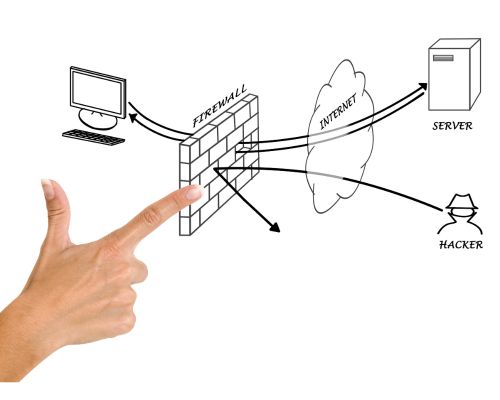
In today’s digital age, where cyber threats continue to evolve at an alarming rate, safeguarding your organization’s data and network integrity is more critical than ever. Firewalls play a pivotal role in fortifying your cyber defenses, acting as a barrier between your internal network and the outside world. However, firewalls themselves require continuous reinforcement to remain effective against emerging threats. In this blog post, we’ll explore the concept of firewall hardening and how Network Security Policy Management(NSPM) solutions can help you achieve it. Understanding Firewall Hardening Firewall hardening is the process of strengthening the security of your firewall by minimizing vulnerabilities and enhancing its resistance to potential threats. It involves a comprehensive assessment and optimization of your firewall’s configuration, rules, and policies. The objective is to ensure that your firewall is configured to allow legitimate traffic while effectively blocking or mitigating unauthorized access and potential attacks. The Need for Hardening Achieving Firewall Hardening with NSPM Solutions Now, let’s explore how Network Security Policy Management(NSPM) solutions can help you accomplish effective firewall hardening: In a world where cybersecurity threats are a constant concern, firewall hardening is essential for safeguarding your organization’s network and data. Network Security Policy Management (NSPM) solutions offer a powerful set of tools and capabilities to help you achieve effective firewall hardening. By embracing centralized control, rule optimization, change management, policy analysis, risk assessment, automation, orchestration, and threat intelligence integration through NSPM solutions, you can ensure that your firewall remains resilient in the face of evolving threats. Remember that cybersecurity is an ongoing process, and the proactive measures discussed in this blog post will help you maintain a strong defense against the ever-changing landscape of cyber threats.
Maximizing Network Security: Effective Usage of Firewall Policy Analysis Solutions

In the ever-evolving landscape of cybersecurity, protecting your organization’s network is paramount. Firewalls have long been a fundamental component of network security, serving as a barrier between your internal network and the outside world. However, as cyber threats become increasingly sophisticated, the effectiveness of your firewall policies is crucial. This is where analysis solutions come into play. In this blog post, we will delve into the importance of firewall policy analysis solutions and how to make the most of them to enhance your network’s security. Understanding Firewall Policy Analysis Firewall policy analysis is the process of evaluating and optimizing the rules and configurations of your organization’s firewall(s). It involves examining the policies, access control lists, and rules that govern the traffic flow in and out of your network. The goal is to ensure that the firewall is configured to permit legitimate traffic while blocking or limiting unauthorized access and potential threats. The Need for Firewall Policy Analysis Effective Usage of Firewall Policy Analysis Solutions Now that we understand the importance of firewall policy analysis, let’s explore how to make the most of these solutions: In an era where cyber threats are a constant concern, firewall policy analysis solutions are indispensable for safeguarding your organization’s network. By embracing regular audits, automation, risk assessment, documentation, rule optimization, threat intelligence integration, and user training, you can make the most of these solutions. Strengthening your firewall policies not only enhances security but also positions your organization as a leader in cybersecurity best practices. Remember that cybersecurity is an ongoing process, and staying ahead of threats requires dedication and continuous improvement. By following the best practices outlined in this blog post, you can ensure that your firewall policies remain effective and resilient in the face of evolving threats.