


Network Firewall Analyzer For Better IT Compliance

A network firewall is one of the powerful defenses against such possible threats. However, it does not necessarily mean that just possessing a firewall is enough for ensuring the security of the network and sensitive data. It requires proper configuration, monitoring, and optimization of the firewall as well, which is what precisely a Network Firewall Analyzer will provide. What do you mean by a Network Firewall Analyzer? This is a kind of instrument for the specific need-that is, it helps by assessing, monitoring, and optimizing the firewall rules of the user network. It thus provides a holistic view of how the firewall is functioning and it thus helps one to see the possible areas of weakness, inefficiency, or improvement. It essentially provides valuable information to the security teams regarding the performance and security posture of their firewalls. A firewall protects your network by filtering incoming and outgoing traffic regarding a defined set of security rules. The firewalls are typically a part of the indispensable arsenal, but managing and optimizing those rules becomes a complex task as the network grows. And this is where the Network Firewall Analyzer comes in: it gives a full-fledged analysis of firewall configurations and the traffic permissible or rejected by them. Top Advantages of Using a Network Firewall Analyzer By looking into rule effectiveness, the analyzer can suggest different changes, such as removal of redundant rules or tuning of others. The streamlining experience will impact performance and security as there will be fewer misconfiguration chances leading to vulnerabilities. With the Network Firewall Analyzer, the security teams can have all the tools needed to detect and respond to threats quickly. It can give alerts and actionable insights that would mitigate risks before causing damage. The analyzer, which will keep accurate and current records of firewall configuration, has the capacity to ensure consistency in networks being compliant with industry regulations and will save from huge fines and reputational damage due to noncompliance. With this, it would have checked the performance and went back to the ideal performance of the firewall while securing the network with no compromise to speed or reliability. How to Choose the Right Network Firewall Analyzer When selecting a Network Firewall Analyzer, it’s important to consider several factors: A Network Firewall Analyzer is a powerful tool for any organization looking to optimize its cybersecurity defenses. By ensuring that firewall rules are properly configured, monitoring traffic for potential threats, and improving compliance, a firewall analyzer plays a crucial role in maintaining the security and performance of your network. Investing in a Network Firewall Analyzer not only helps prevent attacks but also ensures that your firewall is always up to date with the latest security protocols. With the increasing complexity of cyber threats, having the right tools in place is more important than ever to safeguard your business and its assets. By integrating a Network Firewall Analyzer into your cybersecurity strategy, you’re taking a proactive step toward a more secure and efficient network. Why Use Opinnate NSPM? Opinnate NSPM is the ultimate solution for simplifying and securing network firewall rule management. By automating rule analysis, policy optimization, and compliance checks, it significantly reduces the manual workload while enhancing network security. With powerful passive monitoring, Opinnate NSPM offers continuous insights into firewall performance and rule usage, ensuring optimal security without disrupting operations. Whether you’re working with a single firewall or managing a complex multi-device network, Opinnate NSPM integrates seamlessly with leading firewall systems, providing a user-friendly and efficient way to manage your security policies. By choosing Opinnate NSPM, businesses can ensure robust protection against emerging threats while maintaining operational efficiency. Frequently Asked Questions 1. What is a Network Firewall Analyzer? A Network Firewall Analyzer is a security tool that evaluates firewall configurations, monitors network traffic, analyzes firewall rules, and identifies potential vulnerabilities. It helps organizations improve security, optimize performance, and maintain compliance. 2. How does a Network Firewall Analyzer improve firewall security? It helps detect misconfigurations, redundant rules, unauthorized access attempts, and suspicious network activity. By providing actionable insights and recommendations, it enables security teams to strengthen firewall policies and reduce security risks. 3. Can a Network Firewall Analyzer help with compliance requirements? Yes. A Network Firewall Analyzer can generate audit reports, maintain configuration records, and verify that firewall policies align with standards such as PCI-DSS, HIPAA, ISO 27001, and other regulatory frameworks. 4. What features should businesses look for in a Network Firewall Analyzer? Key features include firewall rule analysis, compliance reporting, threat detection, performance monitoring, automated alerts, multi-vendor support, scalability, and user-friendly dashboards that simplify firewall management. 5. Why is firewall rule optimization important? Firewall rule optimization helps eliminate redundant, outdated, and conflicting rules that can affect performance and create security gaps. Optimized rule sets improve network efficiency, simplify management, and strengthen overall cybersecurity defenses.
Network Security Monitoring in Firewall Perspective
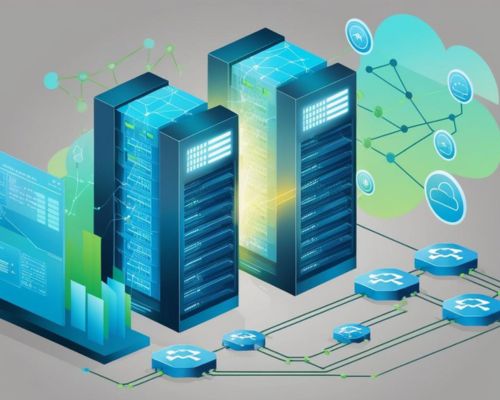
The more advanced the enterprise technology, the more critical getting the network security in line becomes. On top of them, perhaps, the most powerful method one can take to ensure the functionality of its network is by network security monitoring (NSM). Network security monitoring is a comprehensive approach of continuous observation and analysis of the traffic traversing a network to identify suspicious patterns, threats, and counteractions for possible risk mitigation and prevention. From a firewall analysis and reporting view, it plays a central role in preventing security incidents through real-time insights and visibility into the security posture of a network. What is Network Security Monitoring? Network security monitoring is an ongoing process that continuously observes, detects, and analyzes activity on the network to assure that data and resources remain intact, confidential, and available. The usual types would combine an array of sophisticated devices, automated systems, and expert observers working harmoniously to identify any odd or unauthorized actions. The monitoring system collects data from different points in the network, including the firewalls, intrusion detection/prevention systems (IDS/IPS), routers, and switches, thereby forming a complete picture of the health of the network. The effectiveness of NSM is, in fact, extremely vital to early detection of threats and prevention of damages while the risks are still manageable. Perimeter defense is obviously insufficient because modern networks are too complicated and complex to have their security by firewall systems. Moreover, network security monitoring brings that extra eye keeping watch when emerging threats need urgent countering action. Role of Firewall in Network Security While there are a number of security devices within an organization, firewalls can be said to form the core part of any cybersecurity strategy. These devices serve as barriers between an internal network and hackers outside, separating and filtering incoming and outgoing traffic according to the available security policies. Firewalls could be hardware or software, while operationally speaking they can be classified based on their network stack layer such as network layer (packet filtering), transport layer (stateful inspection), or application layer (deep packet filtering). It is only by correct configuration that firewalls serve their primary purpose, which is controlling the user’s access to the network so that no unauthorized user is allowed in and out of the system. But firewalls are not the sole answer to all security threats. Many attacks sophisticated enough would bypass the firewalls and legitimate activity might be misdiagnosed as suspicious behavior by the security application. This is precisely where NSM comes in. The NSM goes deeper into visibility regarding the analysis of the traffic on the network, firewall logs and alerts, as well as proactive hunting and investigation of threats coming just around the corner. Firewall Analysis: Key Insights for Network Security Monitoring Firewalls generate an immense amount of data—logs, alerts, and traffic records—that must be analyzed to gain actionable intelligence. Manual analysis of firewall data can be time-consuming and prone to errors, so advanced monitoring tools are essential for automating the process. The role of firewall analysis in NSM is to provide security teams with real-time visibility into the firewall’s operation, helping them spot patterns and anomalies that could indicate a security breach. 1. Traffic Monitoring and Rule Evaluation One of the key aspects of firewall analysis is monitoring the traffic that flows through the firewall. By reviewing the logs generated by the firewall, security teams can assess the traffic patterns, identify potential threats, and evaluate whether firewall rules are being applied correctly. For example, if a firewall rule is configured to block traffic from specific countries or IP ranges but traffic from those regions is still allowed, it could indicate that the firewall is misconfigured or that a firewall bypass technique is being used. Network security monitoring tools that integrate with firewall systems can automatically analyze firewall logs, classify traffic, and flag any inconsistencies or irregularities in the data. These tools can also evaluate the effectiveness of existing rules, highlighting vulnerabilities or rule conflicts that might be allowing unwanted traffic into the network. 2. Intrusion Detection and Prevention Firewalls are typically the first line of defense against external threats, but they are not foolproof. Cyberattackers use a variety of techniques, such as exploiting vulnerabilities, bypassing security controls, or utilizing malware to infiltrate networks. NSM tools can integrate with intrusion detection and prevention systems (IDS/IPS) to detect potential attacks that have bypassed the firewall. Firewalls alone might miss certain types of attacks, such as those targeting weaknesses in software or configuration errors. However, when combined with NSM, firewalls provide a more holistic approach to network security by enabling deeper packet inspection and traffic analysis. 3. Threat Intelligence Integration Threat intelligence is a critical aspect of firewall analysis in the context of network security monitoring. By integrating real-time threat feeds into the NSM process, security teams can identify malicious activity based on known attack signatures, IP reputation, and behavioral indicators. For example, a firewall could block traffic from an IP address associated with a known botnet or ransomware campaign. NSM tools that support threat intelligence integration can automatically compare incoming traffic with up-to-date threat intelligence feeds, enabling firewalls to adapt to the latest cyber threats. This integration enhances the ability of firewalls to detect and prevent attacks before they can inflict significant damage. Reporting: Turn Data into Actionable Insights The analysis of firewall logs and network traffic cannot be overlooked, and so is an effective reporting of its findings. Firewalls produce a huge amount of raw data. Network security monitoring tools organize such data into actionable insights. Successful firewall analysis consists not only of the gathering of data, but also of the way such data can be presented to security teams in understandable and actionable forms. For instance, if a sudden increase of traffic from a particular region or IP address is reported, it might indicate a distributed denial-of-service (DDoS) attack or brute-force login attempts. Reporting dashboards assist security teams correlate such information with firewalls and IDS/IPS to obtain a full view of the attack. Reporting tools could
Firewall Log Analysis for Security Insights

Organizations need to adopt a network security posture that allows real-time monitoring and management. One of the most useful tools that could provide insight into this process is firewall log analysis, whereas many organizations do not fully use this resource. With proper log analysis, a company becomes capable of threat detection and response, network optimization, and regulatory compliance. Essential Conditions for Firewall Log Analysis Firewalls are the first line in managing threats from cyber-intrusions by controlling incoming and outgoing traffic. Every possible command executed by firewalls-whether flushing a malicious request or granting permission to tolerable traffic-gets recorded in log files. Although these logs can contain volumes of information, in the absence of meaningful analysis, they are mere collections of big, unreadable datasets. In using firewall log analysis, organizations can: Detect and respond to security threats. Recognize unauthorized access attempts, various malware activities, or other abnormal activities that could indicate the realization of a breach. Optimize firewall rules. Eliminate complexity, redundancy, and inefficiency with the functioning of a network firewall. Achieve compliance. The audit trails may need to be preserved to prove compliance with criteria of security, such as GDPR, NIST, or ISO 27001. Keep the network operational. Analyze traffic patterns, identify bandwidth bottlenecks, and optimize firewall configurations. Challenges to Firewall Log Analysis Despite the importance, firewall log analysis has its share of problems: Data volume: Firewalls log enormous amounts of data that make manual analysis impossible. Complexity of log formats: Different vendors employ different log formats, and one must have the expertise to interpret these right. False positives and noise: The security teams must perform noise filtering so they can chase the real threats. How Opinnate Simplifies Firewall Log Analysis Opinnate Network Security Policy Management (NSPM) has the intelligent solution for firewall log analysis. Our platform: Automatically aggregates and normalizes firewall logs across multiple vendors. Finds unused and redundant rules to improve the performance of the firewall. Provides actionable insights to optimize rules and harden security. Integrates with SIEM solutions to enhance the security monitoring and response lifecycle. Analyzing firewall logs is necessary for an organization to maintain a top-notch cybersecurity posture, but it requires the right tools and expertise behind it. Opinnate NSPM then helps organizations gain deep insights into security, optimize firewall configurations, and stay one step ahead of new threats. Ready to squeeze as much juice out of your firewall logs? Reach out to us for more information on how Opinnate can integrate with your security strategy.
Network Security Policy Management (NSPM): A ‘Nice-to-Have’ or ‘Must Have’ Management System?

In the current society where everything is fast-paced and going digital, network security cannot be downplayed. With businesses getting more into the digital side of things, the challenge of securing those new kind of IT environments has evoked. One of the critical factors in mastering this challenge is Network Security Policy Management (NSPM) – a concept, which aims to enhance and automate the processes associated with the maintenance of network security policies. Only problem is whether NSPM is a nice element to have for organizations or whether it is mission critical to every organization. In this blog, we will explore what NSPM is, the advantages of NSPM and the reason why organizations big or small cannot ignore NSPM as just a nice to have tool anymore. What is NSPM? Simply put, the term Network Security Policy Management (NSPM) describes the autonomous and centralized control of network security policies that involve various devices, environments and geographical locations. Complexity is the order of the day as far as network environments are concerned nowadays; this incorporates on prem systems, cloud systems, hybrid systems and third parties. Thus it becomes essential to manage and maintain the consistency of security policy and their compliance with the various environments. As businesses grow and adapt to increasingly distributed and hybrid infrastructures, network security management plays a critical role in maintaining control and visibility across all environments. Beyond just enforcing rules, effective network security management ensures that security policies remain consistent, auditable, and aligned with business objectives—even as the underlying technologies and threats continue to evolve. Integrating NSPM within broader security management frameworks allows organizations to streamline operations, reduce complexity, and confidently meet the demands of a constantly shifting threat landscape. NSPM is no longer ‘an option’ For a few years back, many organizations, if not all, would view NSPM as a cost-effective option or an impractical good. A different way of looking at it would be resorting to linear systems to cut back on the burden of handling unavoidably complex networks. However, given that the threats on cybersecurity are becoming more sophisticated alongside heightened regulatory requirements, it is clear that NSPM is increasingly becoming inevitable. Here are a few of the reasons that NSPM has become a ‘must-have’ these days. 1. Complexity of Modern Networks Networks are no longer confined to one location or even one architecture. With the rise of cloud computing, hybrid environments, and IoT (Internet of Things) devices, the task of managing security policies manually has become nearly impossible. An NSPM solution helps IT teams navigate this complexity by offering a unified platform to oversee all security policies, regardless of the number of devices, locations, or systems involved. Without NSPM, managing security policies manually often leads to configuration errors, conflicts, or vulnerabilities, especially when teams are stretched thin. These misconfigurations can be exploited by attackers, leading to data breaches and other security incidents. Automating and centralizing policy management helps mitigate these risks. 2. Ensuring Regulatory Compliance In today’s regulatory environment, compliance isn’t optional. Organizations must adhere to strict industry standards and government regulations, such as GDPR, HIPAA, and PCI-DSS. Ensuring that network security policies align with these regulations requires constant monitoring, documentation, and updates. NSPM simplifies the compliance process by providing real-time visibility and automating policy checks and audits. By having an NSPM in place, businesses can demonstrate compliance during audits more easily, reducing the risk of penalties or reputational damage. Moreover, NSPM tools often come with pre-built templates or compliance frameworks that make it easier to align security policies with specific regulatory requirements. 3. Mitigating the Risk of Cybersecurity Threats Cybersecurity threats are becoming more sophisticated, and attackers are constantly looking for vulnerabilities to exploit. One of the biggest challenges in network security is ensuring that all policies are up to date and that there are no loopholes that could be exploited by bad actors. An NSPM solution automatically ensures that all devices on the network are compliant with the latest security policies, thus reducing the attack surface. Moreover, when a security incident occurs, NSPM solutions provide visibility into the network’s configuration and help security teams quickly identify the root cause. This leads to faster response times, minimizing the impact of a breach. 4. Reducing Human Error The manual configuration of network security policies is time-consuming and prone to error. In large, distributed networks, even a small mistake—such as opening the wrong port or misconfiguring a firewall rule—can expose the entire network to vulnerabilities. Human error is one of the leading causes of security incidents, and NSPM significantly reduces this risk by automating the configuration and management of security policies. Automation ensures that policies are consistently applied across all devices and locations, eliminating the risk of oversight and manual mistakes. This not only improves security but also frees up IT resources to focus on higher-priority tasks, such as threat analysis and strategic planning. 5. Improved Network Performance and Operational Efficiency An often-overlooked benefit of NSPM is its ability to optimize network performance. When policies are misconfigured or become outdated, they can introduce latency, cause bottlenecks, or reduce overall network efficiency. NSPM solutions continuously analyze and optimize security policies, ensuring that the network operates at peak performance without compromising security. In addition to improving performance, NSPM also boosts operational efficiency. IT teams no longer need to spend countless hours manually reviewing, updating, and enforcing security policies. Instead, they can rely on NSPM to automate these processes, leading to significant time and cost savings. NSPM as a Competitive Advantage In highly competitive industries, a robust security posture can be a significant differentiator. Companies that can demonstrate strong security practices—backed by technologies like NSPM—are more likely to earn the trust of customers and partners. In contrast, organizations that suffer from data breaches or compliance failures may face serious financial and reputational damage. Moreover, having an NSPM solution in place can be a key selling point for businesses aiming to win contracts or partnerships, particularly in industries with strict security requirements, such as finance, healthcare, and
The Comprehensive Firewall Management Policy: Achieving Better Security in Context and Among Users

Individuals and organizations today live in what can only be described as an advanced age. Therefore, there dangers from online threats such as viruses, the importance of implementing efficient firewall management policies is paramount. A detailed firewall management policy will outline the security processes that ward off or mitigate hazards from hacking, spread of virus and other forms of cyber crimes. This policy brief highlights the key elements of the organization security and more specifically, firewall management policies, including the target audience and major features, procedures and suggestions for compliance. What is Firewall Management Policy Such policies describe how an organization protects its computer networks through the use of firewalls, which is a software application or hardware that limits access to its computer networks to only those individuals who are authorized. The policy sets clear boundaries as to the conditions under which the network intrusion detection system will issue out alarms or notifications. This policy provides data security, promotes adherence to law regarding data use and storage, and aims at minimizing the chances of data loss. The Importance of Effective Firewall Policy Management Effective firewall policy management is a cornerstone of a robust network security strategy. It involves not only the creation of clear and comprehensive firewall rules but also the continuous monitoring, updating, and enforcement of these policies to adapt to emerging threats. By integrating firewall policy management into your security framework, organizations can reduce the risk of misconfigurations and ensure consistent protection across all network segments. This proactive approach to firewall policy management helps maintain the integrity of network defenses and supports compliance efforts, ultimately strengthening the organization’s overall cybersecurity posture. Main Features of a Firewall Management Policy A firewall management policy is a set of rules and procedures designed to manage and control access to an organization’s network. It defines how incoming and outgoing network traffic should be monitored and filtered based on predetermined security rules. This policy helps protect sensitive data, maintain compliance with industry regulations, and reduce the risk of security breaches. Key Components of a Firewall Management Policy Creating an effective firewall management policy involves several critical components. Understanding these elements can help you build a comprehensive policy that aligns with your organization’s security goals. Best Practices for Effective Firewall Management Implementing a firewall management policy is not a one-time task; it requires ongoing effort and attention. Here are some best practices to help you maintain an effective firewall management policy: Common Challenges in Firewall Management While firewall management policies are critical for network security, they come with their own set of challenges. Here are some common issues organizations face: A robust firewall management policy is essential for protecting your network from the ever-evolving landscape of cyber threats. By implementing best practices such as regular audits, automated rule analysis, and continuous monitoring, you can ensure that your firewall remains a strong line of defense. Remember, effective firewall management is not just about setting rules; it’s about consistently updating and optimizing those rules to stay ahead of potential threats. Take control of your network security today by establishing a comprehensive firewall management policy that protects your organization’s assets, data, and reputation.
Firewall Rule Review: Enhancing Your Network Security

Firewalls play a crucial role in safeguarding your network from potential threats. These digital barriers filter incoming and outgoing traffic, ensuring that only authorized data passes through. But, like any other technology, firewalls need regular maintenance, and one essential aspect is firewall rule review. In this comprehensive guide, we will delve into the importance of reviewing firewall rules, the benefits it offers, and the best practices to ensure your network remains secure. Why Firewall Rule Review Matters Firewalls are the first line of defense against cyberattacks, and their effectiveness depends on the rules you set. Firewall rules define what is allowed and what is denied in terms of network traffic. Over time, your organization’s needs and the threat landscape can change. Consequently, firewall rules can become outdated and misaligned with your current security requirements. Regularly reviewing and updating these rules is essential for the following reasons: 1. Improved Security: Cyber threats are continually evolving. By regularly reviewing your firewall rules, you can identify and mitigate vulnerabilities in your network, reducing the risk of a breach. 2. Better Performance: Outdated or redundant rules can slow down network traffic. Cleaning up unnecessary rules can lead to improved network performance and reduced latency. 3. Compliance: Many industries and regions have specific regulations governing data security. Ensuring your firewall rules are in compliance with these regulations is essential to avoid fines and legal consequences. 4. Cost Reduction: Simplifying and optimizing firewall rules can reduce the time and resources needed to manage your network security infrastructure. The Benefits of Firewall Rule Review A proactive approach to firewall rule review can yield numerous benefits for your organization. Here are some of the key advantages: 1. Threat Mitigation: Regular reviews help you stay ahead of emerging threats. You can spot and rectify vulnerabilities before they are exploited by malicious actors. 2. Resource Efficiency: By eliminating unnecessary rules and optimizing the firewall configuration, you can allocate resources more efficiently, improving overall network performance. 3. Enhanced Visibility: A well-maintained firewall provides better visibility into network traffic, making it easier to detect suspicious activities. 4. Compliance Assurance: Adhering to industry and regional compliance standards ensures your organization avoids costly fines and maintains a strong reputation. 5. Cost Savings: Streamlining your firewall rules can lead to reduced operational costs and more efficient use of network resources. Best Practices for Firewall Rule Review Now that you understand why firewall rule review is crucial, let’s delve into best practices to ensure that your review process is effective and efficient: 1. Regular Schedule: Set a regular schedule for firewall rule review. Quarterly reviews are a common practice, but the frequency may vary depending on your organization’s size and industry. 2. Document Everything: Keep detailed records of all changes made during the review process. This documentation can be invaluable for auditing and troubleshooting. 3. Prioritize Rules: Not all rules are equally critical. Prioritize rules based on their importance and relevance. This ensures that the most crucial rules are reviewed and updated first. 4. Test Changes: Before implementing any rule changes, test them in a controlled environment. Ensure that these changes do not disrupt network operations or cause unintended consequences. 5. Involve Stakeholders: Collaborate with different teams within your organization to gather insights on rule effectiveness and relevance. This fosters a sense of ownership and shared responsibility for network security. 6. Use Rule Naming Conventions: Employ a consistent naming convention for your rules. This simplifies rule management and makes it easier to identify the purpose of each rule. 7. Review Third-Party Rules: If your firewall uses third-party rules, regularly review and update them as necessary. Ensure they align with your organization’s security requirements. 8. Implement Role-Based Access Control: Limit access to the firewall rule review process to authorized personnel only. This minimizes the risk of unauthorized changes. 9. Monitor and Alerting: Set up continuous monitoring and alerting systems to detect and notify you of any unusual network activity. This can help you identify potential threats in real-time. 10. Stay Informed: Keep abreast of the latest cybersecurity threats and trends. This knowledge will inform your rule review process and help you adapt to evolving risks. Firewall rule review is a fundamental component of network security maintenance. Neglecting this critical task can expose your organization to unforeseen risks. By following the best practices outlined in this guide, you can ensure that your firewall remains a robust defense against cyber threats. Remember that network security is an ongoing process, and regular reviews are the key to staying ahead of malicious actors. Stay proactive, prioritize security, and your organization will reap the benefits of a well-maintained firewall. In conclusion, firewall rule review is not just a maintenance task; it’s a critical element of your network’s security infrastructure. Implementing regular reviews and following best practices will help you keep your network secure, compliant, and cost-effective. Don’t wait for a breach to realize the importance of rule review; take proactive steps to protect your digital assets.
Unleashing the Power of Firewall Analyzer Software for Enhanced Network Security

Ensuring the security of your organization’s network is of paramount importance. As cyber threats continue to evolve and become more sophisticated, having a robust defense mechanism is essential. This is where firewall analyzer software comes into play. In this blog post, we’ll dive deep into the world of firewall analyzer, exploring its significance and how it can be a game-changer for your network security. The Rising Need for Firewall Analyzer Software Network security has always been a concern for businesses, but it’s becoming increasingly complex as technology advances. With the rise of remote work, cloud computing, and the Internet of Things (IoT), the attack surface for potential cyber threats has expanded significantly. This makes it even more critical to have a strong defense in place. Firewall analyzer is a vital component of this defense. It helps organizations gain insights into their network’s traffic, security policies, and potential vulnerabilities. By monitoring and analyzing data, this software offers a proactive approach to identify and mitigate security risks. What is Firewall Analyzer Software? Firewall analyzer software is a specialized tool that monitors and analyzes the data passing through a firewall or other network security devices. It helps organizations in managing their network security effectively by providing in-depth visibility into network traffic and security events. This software helps in the following ways: Key Features of Firewall Analyzer To be truly effective, firewall analyzer should offer a range of features that enhance network security. Here are some key features to look for when selecting the right software for your organization: Benefits of Firewall Analyzer Software Investing in firewall analyzer software can yield numerous benefits for your organization: Enhanced Network Security The primary benefit of firewall analyzer software is improved network security. By providing insights into network traffic and potential threats, it helps organizations proactively defend against cyberattacks. Reduced Downtime Downtime can be costly for businesses. Firewall analyzer software helps identify and address network issues before they cause extensive downtime, saving both time and money. Compliance Adherence For organizations subject to regulatory requirements, firewall analyzer software simplifies compliance reporting by providing detailed logs and reports. Proactive Threat Detection With real-time monitoring and alerting capabilities, organizations can quickly detect and respond to potential security threats, preventing breaches before they occur. Optimal Resource Utilization The software helps in optimizing resource utilization by providing insights into bandwidth consumption and traffic patterns, allowing for more efficient network management. Improved Incident Response Having a detailed understanding of network traffic and security policies enables faster and more effective incident response. Choosing the Right Firewall Analyzer Software When selecting the right firewall analyzer software for your organization, it’s essential to consider factors like your network size, the complexity of your security policies, and your budget. Additionally, look for software that offers regular updates and support, as the threat landscape is constantly evolving. In conclusion, firewall analyzer software is a critical component of modern network security. It empowers organizations to gain deep insights into their network traffic, enhance security policies, and respond proactively to potential threats. By investing in firewall analyzer software, you’re taking a significant step towards ensuring the safety and integrity of your network. In an era where cyber threats continue to grow in sophistication, having a reliable defense system is not just a luxury—it’s a necessity. Don’t wait until a cyberattack disrupts your operations; take the initiative and secure your network with firewall analyzer software today.
Maximizing Network Security with Regular Usage of a Firewall Policy Analyzer

In today’s hyperconnected world, network security is a paramount concern for businesses of all sizes. Cyber threats continue to evolve, making it essential for organizations to maintain robust security measures to protect sensitive data, customer information, and critical systems. One valuable tool that plays a crucial role in bolstering network security is the Firewall Policy Analyzer. In this blog post, we’ll delve into what a Firewall Policy Analyzer is and how its regular usage can benefit your organization’s cybersecurity posture. Understanding Firewall Policy Analyzer Before diving into the benefits of regular usage, let’s start with the basics: What exactly is a Firewall Policy Analyzer? A Firewall Policy Analyzer is a specialized software tool designed to assess, analyze, and optimize the firewall rules and policies that govern your network’s traffic flow. Firewalls serve as the first line of defense against unauthorized access, malicious attacks, and potential breaches. However, over time, the complexity of firewall policies can increase, often leading to misconfigurations, rule conflicts, and vulnerabilities that could compromise security. This is where a Policy Analyzer comes into play. The Benefits of Regular Policy Analyzer Usage How to Incorporate Regular Usage of a Firewall Policy Analyzer Now that we’ve explored the benefits, let’s discuss how to incorporate regular usage of a Firewall Policy Analyzer into your organization’s cybersecurity strategy: 1. Select the Right Firewall Policy Analyzer: Begin by choosing a Firewall Policy Analyzer tool that aligns with your organization’s needs and network environment. Evaluate the tool’s features, scalability, and compatibility with your existing firewall solutions. 2. Establish a Routine: Create a regular schedule for analyzing your firewall policies. The frequency of analysis may vary depending on your organization’s size and the rate of rule changes, but quarterly or semi-annual reviews are a good starting point. 3. Conduct Comprehensive Audits: During each analysis, conduct a comprehensive audit of your firewall policies. Identify obsolete rules, conflicts, and misconfigurations. Pay special attention to any changes made since the last review. 4. Optimize and Document: After identifying areas for improvement, optimize your firewall policies accordingly. Remove unnecessary rules, resolve conflicts, and document each change made, including the reasoning behind it. 5. Monitor and Alert: Implement real-time monitoring and alerting features if your Firewall Policy Analyzer tool supports them. This allows you to respond quickly to emerging threats or anomalies in network traffic. 6. Employee Training: Ensure that your IT and security teams are proficient in using the Firewall Policy Analyzer tool. Provide training as needed to maximize its effectiveness in your organization’s security strategy. 7. Continuous Improvement: As cyber threats evolve and your organization grows, continue to refine and adapt your firewall policies. Regularly review and update your Firewall Policy Analyzer tool to keep it current and effective. In an age where cybersecurity threats are constantly evolving, organizations cannot afford to be complacent. A Firewall Policy Analyzer is a valuable asset in maintaining a robust security posture. By incorporating regular usage into your cybersecurity strategy, you can benefit from enhanced security, optimized firewall performance, and improved compliance adherence. Don’t wait until a security incident occurs to take action – start using a Policy Analyzer today to protect your network and data proactively. Regular vigilance is the key to staying one step ahead of cyber threats and ensuring the long-term security of your organization.
Maximizing Network Security: Effective Usage of Firewall Policy Analysis Solutions

In the ever-evolving landscape of cybersecurity, protecting your organization’s network is paramount. Firewalls have long been a fundamental component of network security, serving as a barrier between your internal network and the outside world. However, as cyber threats become increasingly sophisticated, the effectiveness of your firewall policies is crucial. This is where analysis solutions come into play. In this blog post, we will delve into the importance of firewall policy analysis solutions and how to make the most of them to enhance your network’s security. Understanding Firewall Policy Analysis Firewall policy analysis is the process of evaluating and optimizing the rules and configurations of your organization’s firewall(s). It involves examining the policies, access control lists, and rules that govern the traffic flow in and out of your network. The goal is to ensure that the firewall is configured to permit legitimate traffic while blocking or limiting unauthorized access and potential threats. The Need for Firewall Policy Analysis Effective Usage of Firewall Policy Analysis Solutions Now that we understand the importance of firewall policy analysis, let’s explore how to make the most of these solutions: In an era where cyber threats are a constant concern, firewall policy analysis solutions are indispensable for safeguarding your organization’s network. By embracing regular audits, automation, risk assessment, documentation, rule optimization, threat intelligence integration, and user training, you can make the most of these solutions. Strengthening your firewall policies not only enhances security but also positions your organization as a leader in cybersecurity best practices. Remember that cybersecurity is an ongoing process, and staying ahead of threats requires dedication and continuous improvement. By following the best practices outlined in this blog post, you can ensure that your firewall policies remain effective and resilient in the face of evolving threats.
Mastering Cybersecurity: Exploring Firewall Rule Analyzer Solutions and Their Benefits

In an era where cyber threats are ever-evolving, organizations need robust cybersecurity measures to safeguard their digital assets and data. Among these measures, firewall rule analyzer solutions have emerged as a critical tool for maintaining strong network defenses. In this comprehensive guide, we’ll dive deep into the world of firewall rule analyzers, exploring what they are, how they work, and the immense benefits they bring to the table. Understanding Firewall Rule Analyzer Solutions What are Firewall Rule Analyzers? Firewall rule analyzers are software tools designed to examine, evaluate, and optimize the rule sets within firewall configurations. These tools work by scrutinizing the rules governing network traffic, helping organizations identify inefficiencies, vulnerabilities, and misconfigurations. By providing detailed insights into firewall policies, rule analyzers empower organizations to enhance their security posture and reduce the risk of cyber threats. How Do They Work? Firewall rule analyzers typically operate in the following manner: The Benefits of Firewall Rule Analyzer Solutions Firewall rule analyzer solutions offer a wide range of benefits that contribute to enhanced cybersecurity and operational efficiency: 1. Enhanced Security Firewall rule analyzers provide a deeper understanding of firewall configurations, helping organizations identify vulnerabilities and security gaps. This knowledge allows for targeted improvements, reducing the likelihood of successful cyberattacks. 2. Optimized Rule Sets Analyzers can identify redundant or conflicting rules, streamlining firewall configurations for better performance. This optimization results in faster network speeds and reduces the risk of rule conflicts causing security breaches. 3. Regulatory Compliance Many industries and organizations must adhere to specific regulatory requirements, such as GDPR or HIPAA. Firewall rule analyzers help ensure that firewall policies align with these regulations, reducing the risk of non-compliance and potential penalties. 4. Reduced Complexity Over time, firewall rule sets can become convoluted and challenging to manage. Analyzers simplify this complexity by highlighting rules that are no longer necessary, making firewall management more efficient. 5. Cost Savings Efficient firewall configurations reduce the workload on network infrastructure, leading to cost savings in terms of hardware requirements and operational overhead. 6. Quick Response to Threats Firewall analyzers can provide real-time alerts for policy violations or unusual network activity. This enables organizations to respond promptly to potential security incidents and minimize damage. 7. Improved Network Performance By identifying and removing unnecessary or conflicting rules, analyzers optimize network traffic flow. This results in improved network performance, reduced latency, and better user experiences. 8. Policy Documentation Firewall analyzers generate detailed reports that serve as documentation for firewall policies. This documentation is valuable for audits, compliance reports, and troubleshooting. 9. Efficient Resource Allocation By pinpointing areas of improvement in firewall configurations, analyzers help security teams allocate their time and resources more efficiently. Teams can focus on strategic tasks, such as threat analysis and incident response. 10. Customized Recommendations Most firewall analyzers offer customized recommendations based on the organization’s specific needs and industry standards. This ensures that security improvements align with the organization’s unique requirements. Implementing Firewall Rule Analyzer Solutions The successful implementation of firewall rule analyzer solutions involves a systematic approach: How Opinnate Contributes to Firewall Rule Analysis Effective firewall management is crucial for maintaining a strong cybersecurity posture, but manual firewall rule analysis is time-consuming and prone to errors. Opinnate Network Security Policy Management (NSPM) acts as an advanced firewall rule analyzer, providing security teams with deep visibility, automated rule assessments, and actionable insights to enhance network security and efficiency. Comprehensive Firewall Rule Analysis Opinnate continuously analyzes firewall rules across multi-vendor environments, including Fortinet, Check Point, Palo Alto Networks, and Cisco, identifying misconfigurations, unused rules, redundancies, and overly permissive policies. By passively monitoring rule usage, Opinnate helps security teams understand which rules are actively used and which can be optimized or removed. Automated Risk & Compliance Audits Firewall misconfigurations are one of the leading causes of security breaches. Opinnate detects risky rules, shadowed policies, and conflicting configurations, highlighting security gaps before they become threats. Additionally, it automates compliance checks against industry standards like ISO 27001, PCI-DSS, NIST, and GDPR, ensuring that security policies align with regulatory requirements. Optimized Policy Recommendations Opinnate not only identifies issues but also provides intelligent recommendations to optimize firewall rulesets. It suggests rule reordering, redundant rule removal, and rule modifications based on real-time network behavior and best practices. This results in a leaner, more efficient rule base, reducing complexity and improving firewall performance. Increased Operational Efficiency With Opinnate, security teams can automate firewall audits, reduce manual workload, and streamline policy changes. Instead of spending hours manually reviewing firewall logs and rules, IT teams receive clear, actionable insights that accelerate decision-making and improve overall security management. By combining advanced firewall analysis, automation, and compliance enforcement, Opinnate helps organizations maintain a secure, optimized, and well-managed firewall infrastructure with minimal effort. Firewall rule analyzer solutions are indispensable tools for organizations seeking to bolster their cybersecurity defenses and optimize network performance. By providing insights into firewall configurations, identifying vulnerabilities, and streamlining rule sets, these solutions empower organizations to stay ahead of evolving cyber threats while ensuring compliance with industry regulations. The benefits they offer extend beyond security, contributing to operational efficiency and cost savings. As the cybersecurity landscape continues to evolve, firewall rule analyzers remain a crucial component of a comprehensive cybersecurity strategy.